Why I Still Return to the Golden Age of Rom-Coms in 2026
In 2026, when I want a film that feels like a warm blanket and a sharp joke at the same time, I do not reach for the newest release. I reach for the late 1980s and early 2000s, the stretch that film lovers call the Golden Age of Rom-Coms. I know the beats by heart: the meet-cute, the misunderstanding, the dash to the airport or the wedding or the bookstore. What keeps me coming back is not the formula but the texture — the witty scripts, the lived-in cities, and the stars who could make a pause feel like a punchline.

Wit, Chemistry, and the Art of the Almost
I rewatched When Harry Met Sally... last winter, and it still feels like the gold standard. Nora Ephron's script is sharp without being cruel, and Billy Crystal and Meg Ryan turn a long conversation about friendship and attraction into something that still holds up more than 35 years later. The film was ranked number six in AFI's top romantic comedies of all time, and I understand why. It understands that the best romantic tension is often a debate you do not want to end.
That era gave us two reliable engines: British charm and American sparkle. Richard Curtis could write a stammering declaration of love that made Hugh Grant a leading man for a generation, while Nora Ephron could make a walk through a city feel like a philosophical argument. The scripts were clever, but the casting was the real magic. Julia Roberts had the girl-next-door warmth of a movie star who might actually answer a stranger's question in a bookshop.
A Personal Canon, Ranked by Replay Value
Here is the short list I give friends who ask where to start. It is not objective. It is simply the films I return to when I want wit, comfort, and a reminder that falling in love is both ridiculous and serious.
| 🎬 Film | 📅 Year | 💡 Why I rewatch |
|---|---|---|
| When Harry Met Sally... | 1989 | The friendship-to-love blueprint, still sharp and still funny |
| Pretty Woman | 1990 | The purest star vehicle of the era, with Roberts in full command |
| Four Weddings and a Funeral | 1994 | Hugh Grant's awkward charm and a script that avoids sappiness |
| Clueless | 1995 | Austen by way of 1990s Beverly Hills, with perfect fashion and timing |
| 10 Things I Hate About You | 1999 | Shakespeare, teen chaos, and Heath Ledger's effortless cool |
| Notting Hill | 1999 | Grant and Roberts together, with fame as the third wheel |
| High Fidelity | 2000 | A break-up comedy for people who rank everything, including their feelings |
| Bridget Jones's Diary | 2001 | Renée Zellweger's hapless hopefulness and a very messy love triangle |
| My Big Fat Greek Wedding | 2002 | Family chaos, cultural friction, and a huge crowd-pleasing heart |
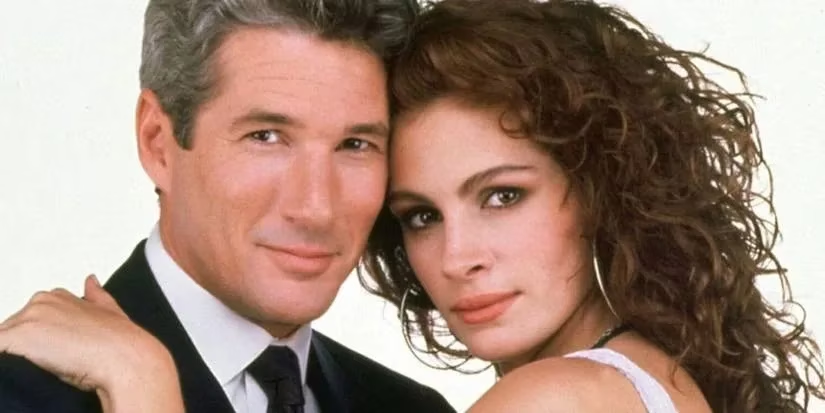
Pretty Woman was the commercial titan of the group. When it arrived in 1990, it took in $463,406,268 worldwide and became the fourth highest-grossing movie of all time at that moment. I watch it less for the fairy-tale and more for Julia Roberts as Vivian Ward, who gives the film its pulse. The yuppie fantasy is dated in places, but the chemistry with Richard Gere still makes the whole thing glide.
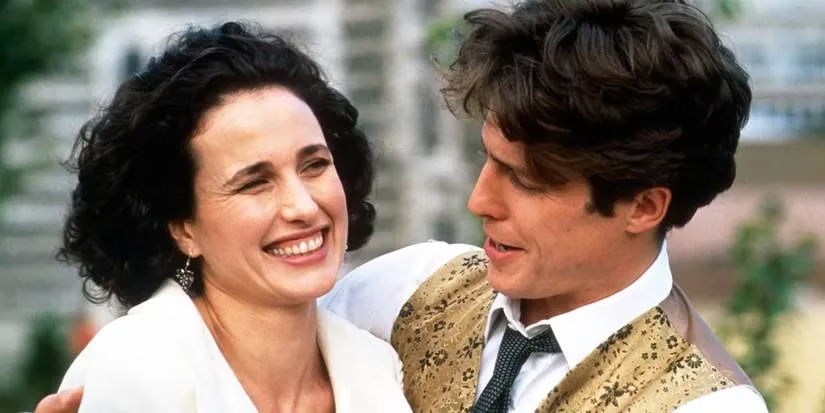
Four Weddings and a Funeral is the film that made Hugh Grant's stuttering, self-deprecating charm feel like a national treasure. Richard Curtis wrote a story that moves through chance encounters and social obligations without turning into syrup. It was the highest-grossing British movie at the time of its release, and I still think it is one of the most rewatchable rom-coms ever made.
Teenage Wit and Grown-Up Mess
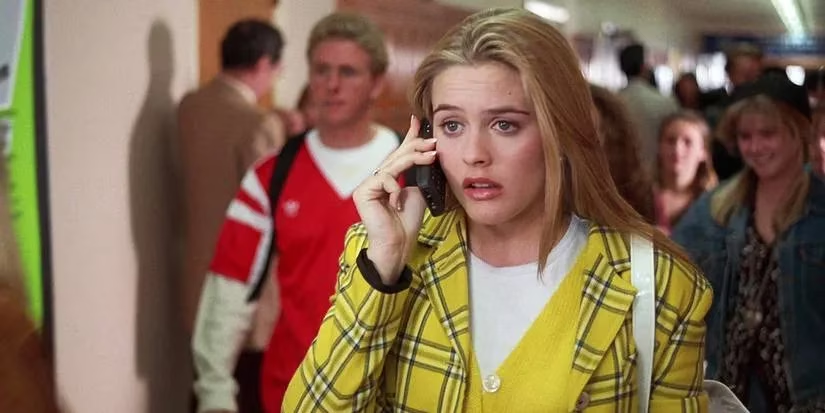
Clueless is a loose adaptation of Jane Austen's Emma, but it is also a time capsule of 1995 fashion, slang, and music. Alicia Silverstone's Cher Horowitz is vain, funny, and unexpectedly kind, and the film's influence on pop culture has not faded. I watch it when I want a comedy that is stylistically 1990s but thematically eternal.
10 Things I Hate About You did something similar with Shakespeare's The Taming of the Shrew. It gave Julia Stiles, Heath Ledger, and Joseph Gordon-Levitt breakout roles and turned high school dating drama into a clever, funny, and surprisingly tender film. Ledger's Patrick Verona is still the era's best bad-boy-with-a-secret-heart performance.
Then there is High Fidelity, which is a rom-com from the other side of the counter. John Cusack plays a record store owner whose break-up forces him to audit his own life, and Jack Black steals scenes as a employee-turned-musician. It is funny, insightful, and honest about how much growing up can hurt.
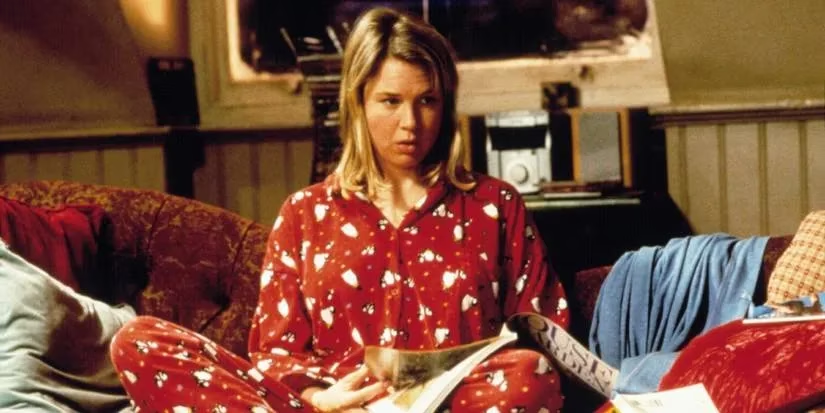
Bridget Jones's Diary gave Renée Zellweger one of her best roles: a 32-year-old writer who is hopeful, messy, and very funny. As a loose take on Pride and Prejudice, it uses the love triangle well, and the film has become a permanent part of pop culture. I do not revisit the sequels often, but the original still shines.
My Big Fat Greek Wedding was a runaway success and, for years, the highest-grossing romantic comedy in America. Nia Vardalos wrote and starred in a story about a non-Greek man trying to win over his girlfriend's very close family, and the result was a laugh-out-loud portrait of second-generation immigrant life. The sequels did not match it, but the first film remains a crowd-pleaser with real specificity.
British Charm, American Sparkle
Notting Hill is the film I recommend when someone wants the era in a single package. Hugh Grant is a humble bookshop owner, Julia Roberts is a famous actress, and their romance has to survive fame, distance, and the awkwardness of two lives that do not naturally fit. It is funny, heartfelt, and written by Richard Curtis at the top of his game.
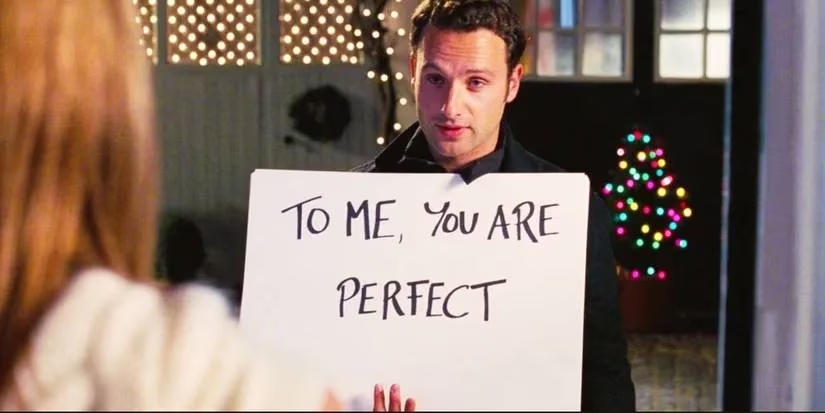
Love Actually is usually discussed as a Christmas film, but I think it works outside December too. The ensemble cast is stacked with British comedic talent, and the ten stories weave together into something that tugs at the heartstrings while keeping the laughs steady. Not every thread has aged perfectly, but the best ones still land.
Why I Still Return
I am not nostalgic for everything about the Golden Age. Some jokes and gender dynamics have aged badly, and the genre's obsession with grand gestures can feel exhausting. But the best films from this period believe in conversation, in risking embarrassment, and in the idea that love is both absurd and serious. That is why I still return to them in 2026, when streaming offers endless options and most new rom-coms feel designed for a thumbnail rather than a memory.
If you have never seen When Harry Met Sally..., start there. If you want the purest expression of the era's star power, watch Notting Hill. And if you need a reminder that a romantic comedy can be messy, funny, and specific, put on Bridget Jones's Diary. The Golden Age may be over, but the best of it still feels alive. 💕
According to coverage from Kotaku, discussions about comfort viewing often overlap with wider pop-culture cycles, where older favorites keep resurfacing because they balance familiar structure with distinctive voice. That perspective fits the enduring appeal of classic romantic comedies, whose quotable dialogue, charismatic leads, and city-centered storytelling continue to feel more memorable than many newer algorithm-driven releases.