Timeless Hearts: A Poetic Journey Through the Evolution of the Romantic Comedy
What is a movie but a captured dream, a reflection of our collective yearning for connection? The romantic comedy, that most beloved of cinematic confections, has served as a mirror to the human heart across the decades, evolving from frothy escapism to nuanced character study, yet always returning to the eternal question of love. From the black-and-white sparkle of screwball beginnings to the rich, diverse tapestries of modern tales, these films are not mere entertainments but cultural touchstones, each one a chapter in the ongoing story of how we love, laugh, and lose our way to one another. Is there any genre more adept at distilling the chaotic beauty of human relationships into a perfect, poignant formula?
The Pioneers: Laying the Foundation of Fantasy
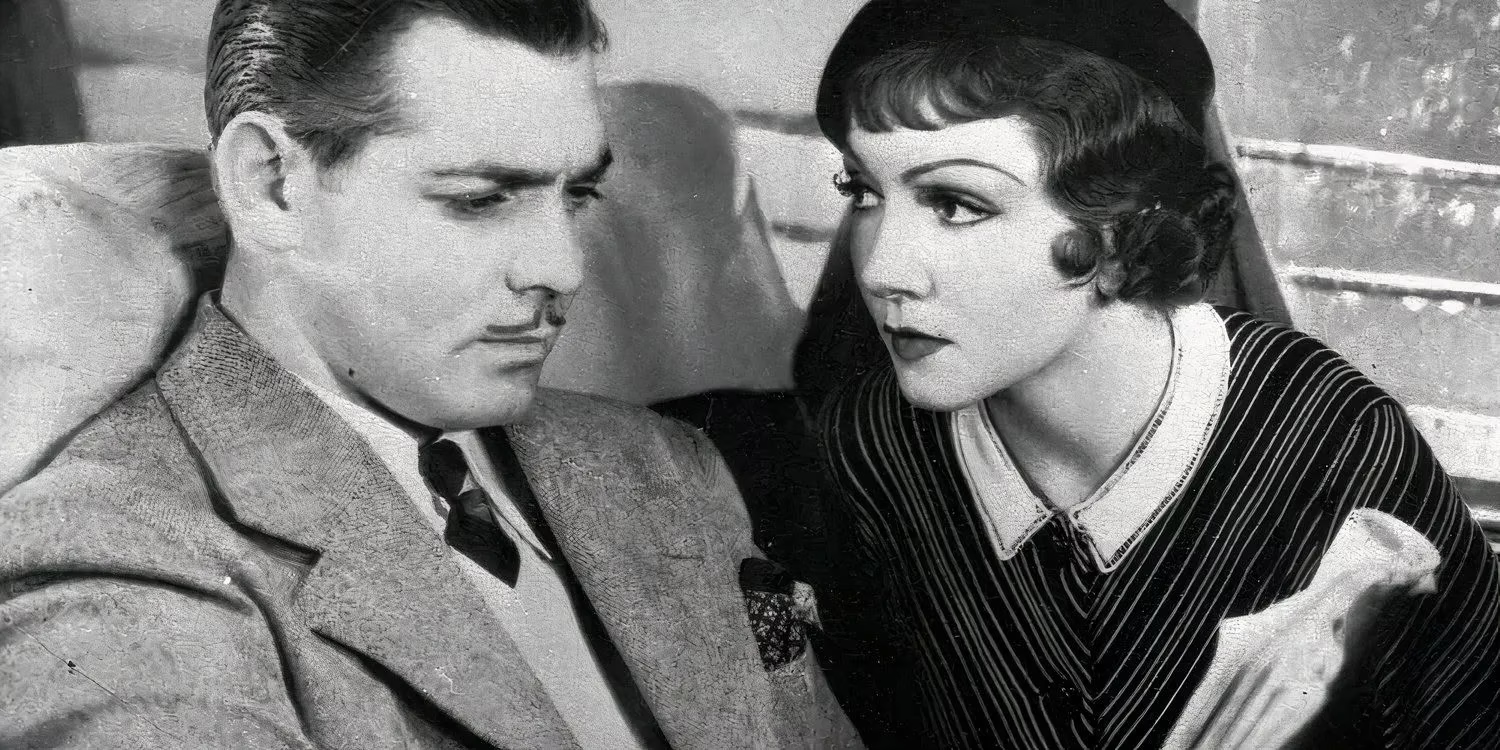
Can a single film define an entire genre's spirit? It Happened One Night (1934) answers with a resounding yes. Frank Capra's masterpiece, a tale of a headstrong heiress and a roguish reporter, did more than just win an unprecedented sweep at the Academy Awards; it bottled the very essence of the screwball comedy—the witty repartee, the class clash, the journey of two souls thrown together by fate. Clark Gable's charismatic performance became a cultural blueprint, influencing everything from animation to the very archetype of the leading man. It was a film that proved romance could be both uproariously funny and deeply heartfelt, setting a standard of authenticity that would echo for generations. Its magic was not in grand gestures, but in the shared intimacy of a roadside motel and a wall famously referred to as "the Walls of Jericho."
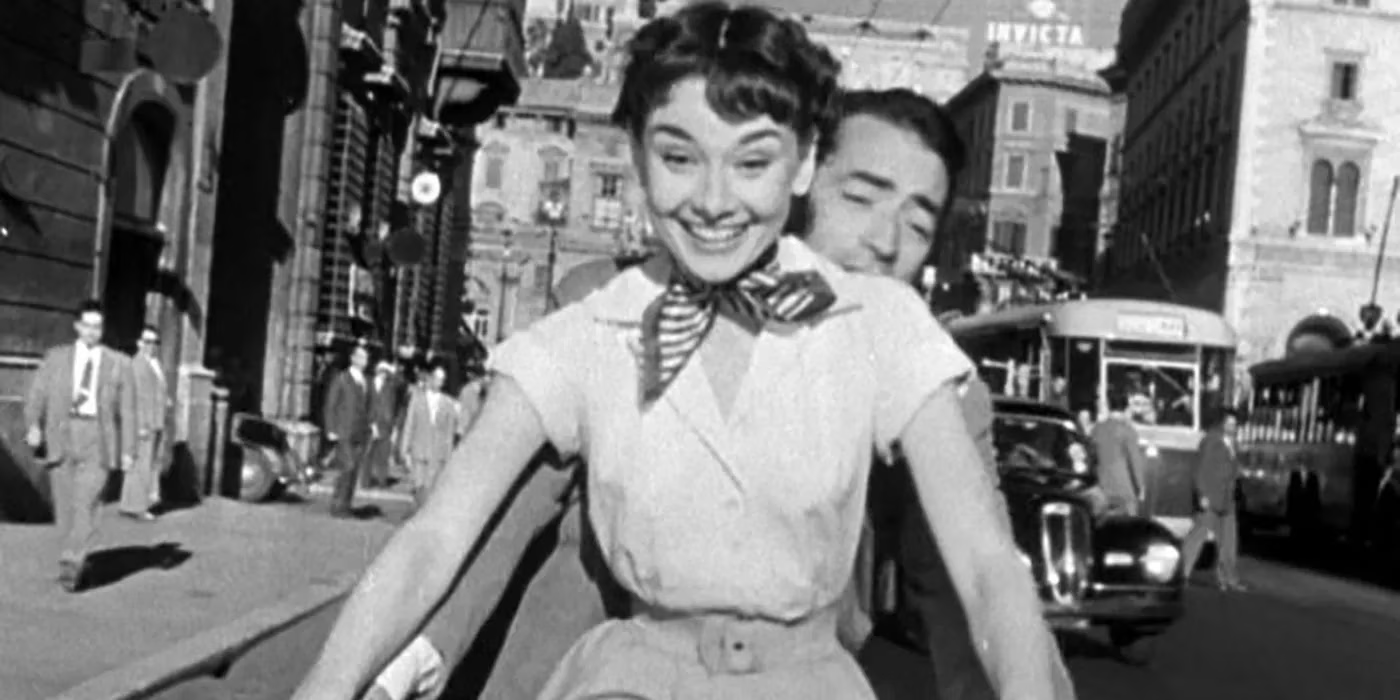
If It Happened One Night defined the road-trip romance, then Roman Holiday (1953) perfected the fantasy of escape. Introducing the world to the incandescent Audrey Hepburn, the film presented a fairy tale for the weary soul: a princess, fleeing her gilded cage, finds freedom and fleeting love in the eternal city with an unsuspecting American journalist. The chemistry between Hepburn and Gregory Peck was palpable, a sun-drenched dream of what could be. Yet, in a bold move for its time, the film offered a bittersweet conclusion, subverting the expected "happily ever after" for a more mature, poignant farewell. This emotional complexity elevated it from mere fantasy to a timeless meditation on duty versus desire, becoming the blueprint for later day-in-the-life romances.
Deepening the Palette: Comedy Meets Melancholy
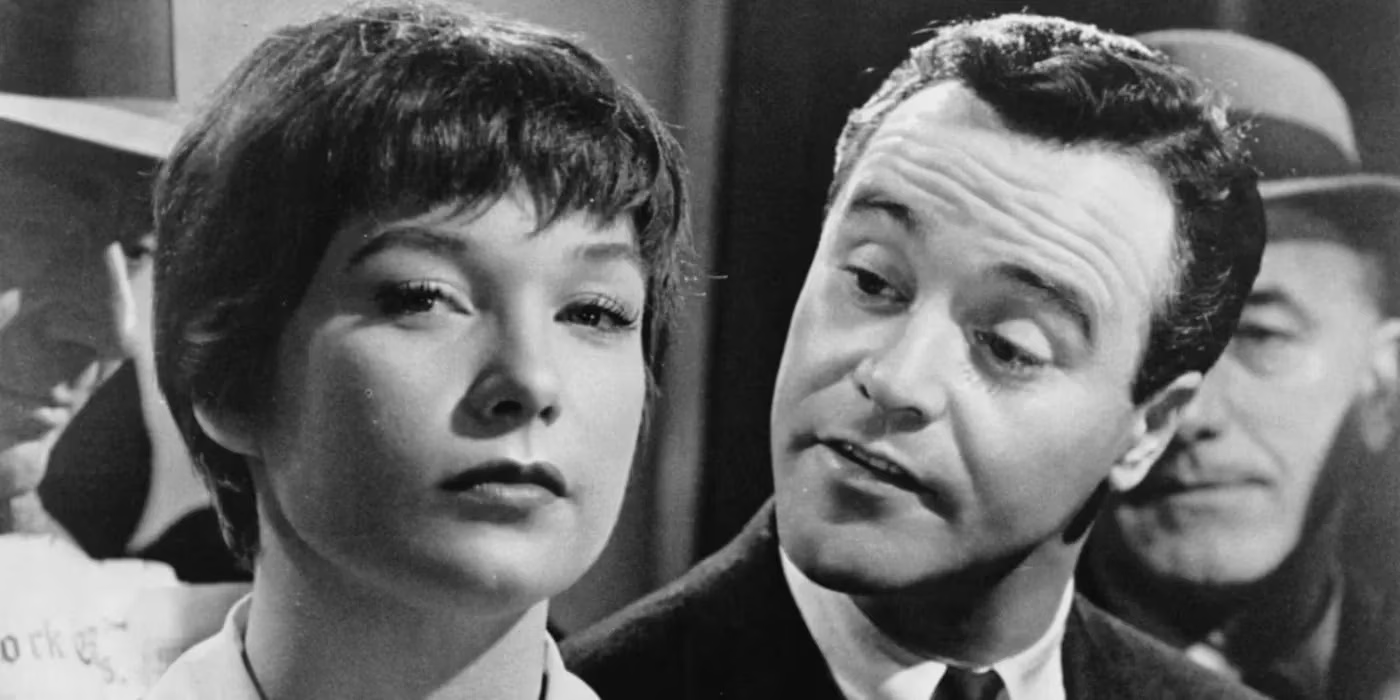
What happens when a romantic comedy dares to peer into the shadows? The Apartment (1960) provided a startling answer. Billy Wilder's genius lay in weaving a tapestry of loneliness, corporate alienation, and unrequited love with threads of brilliant comedy. Jack Lemmon's C.C. Baxter, the hapless clerk lending out his apartment for his superiors' affairs, was a figure of profound pathos, his vulnerability making his eventual connection with Shirley MacLaine's luminous elevator operator all the more resonant. The film dared to ask: can love bloom in the most cynical of soils? It proved that the genre's power could be magnified, not diminished, by embracing life's melancholic undertones, crafting a story that was as much a social critique as it was a romance.
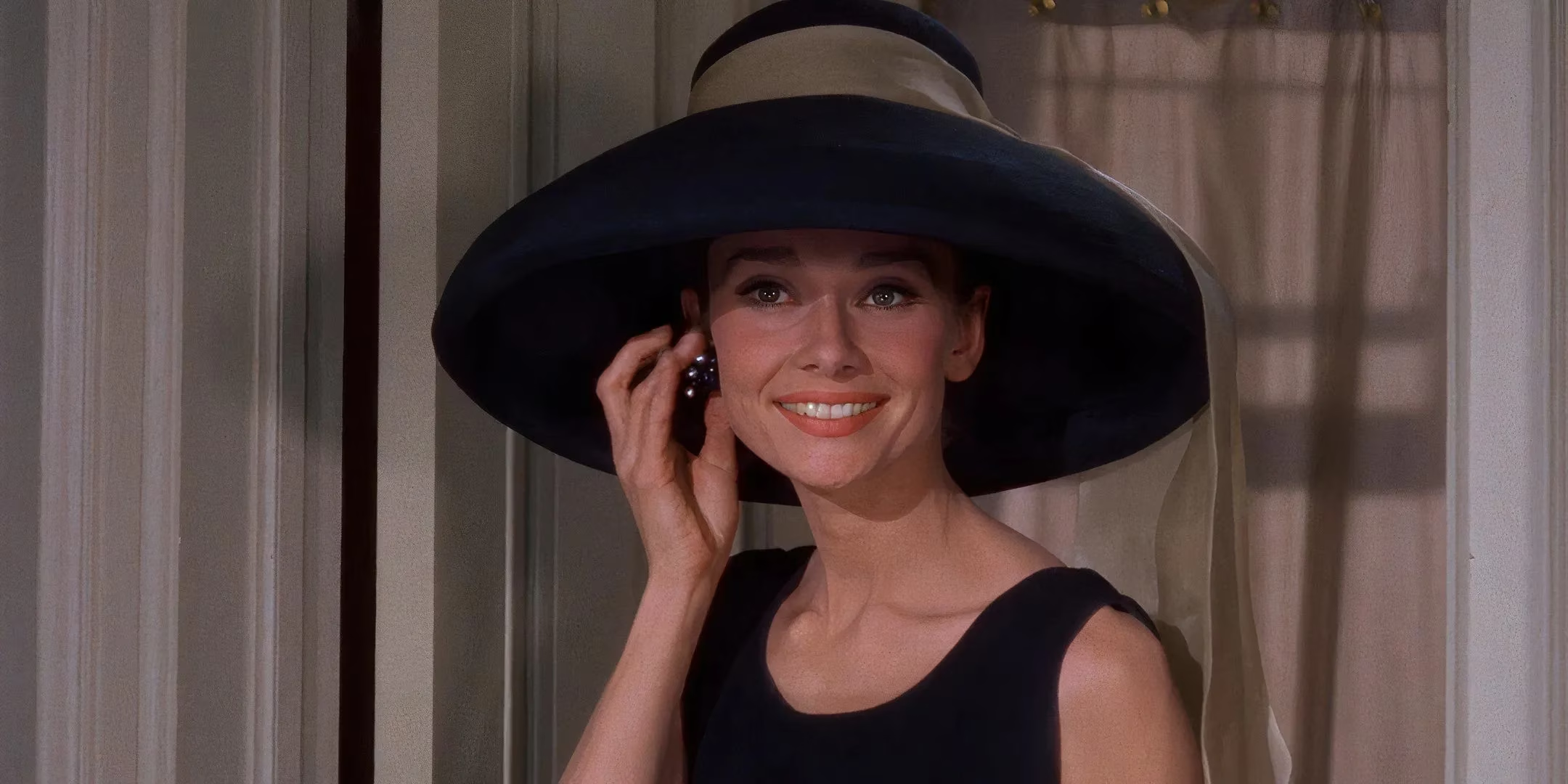
And what of the romantic heroine? Could she be more than a prize to be won? Breakfast at Tiffany's (1961) presented Holly Golightly, a character of stunning contradictions—a glamorous socialite haunted by her past, a free spirit secretly yearning for a home. Audrey Hepburn's portrayal transformed Holly into an icon, her little black dress and oversized sunglasses symbols of an aspirational independence. Yet, beneath the stylish veneer was a deeply layered portrait of a woman crafting her own identity in a world quick to judge. The film, for all its problematic elements that rightly face critique today, nonetheless presented a female protagonist of remarkable emotional complexity, challenging the simpler archetypes that had come before.
Breaking the Mold: Neurosis, Friendship, and Modern Myths
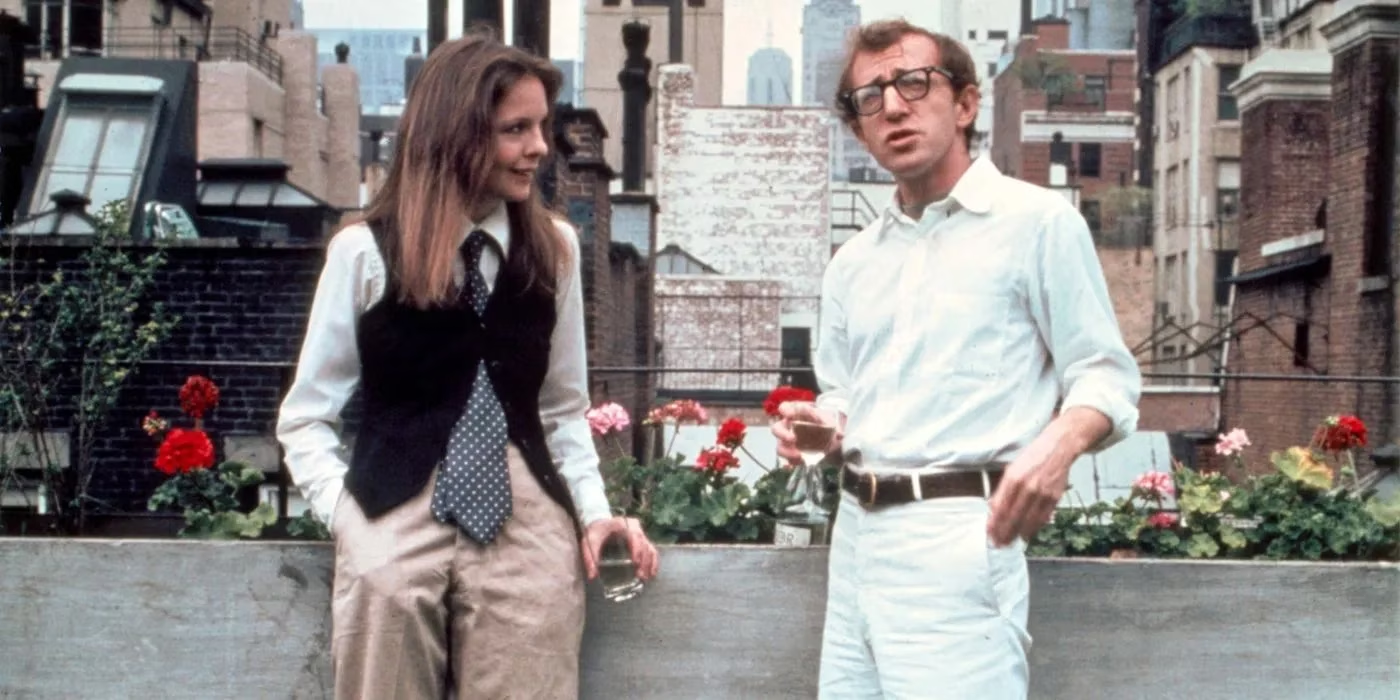
How does one capture the messy, non-linear reality of a relationship? Annie Hall (1977) shattered the mold entirely. Woody Allen's film, with its fourth-wall breaks, animated sequences, and wistful flashbacks, dissected a romance with the precision of a psychologist and the timing of a stand-up comic. It traded polished perfection for neurotic honesty, presenting love as a series of awkward encounters, intellectual sparring, and poignant misunderstandings. Its influence is immeasurable, providing a narrative toolkit for every introspective, nonlinear romance that followed, from High Fidelity to (500) Days of Summer. It asked the audience not just to witness a love story, but to live inside its fragmented, beautiful memory.
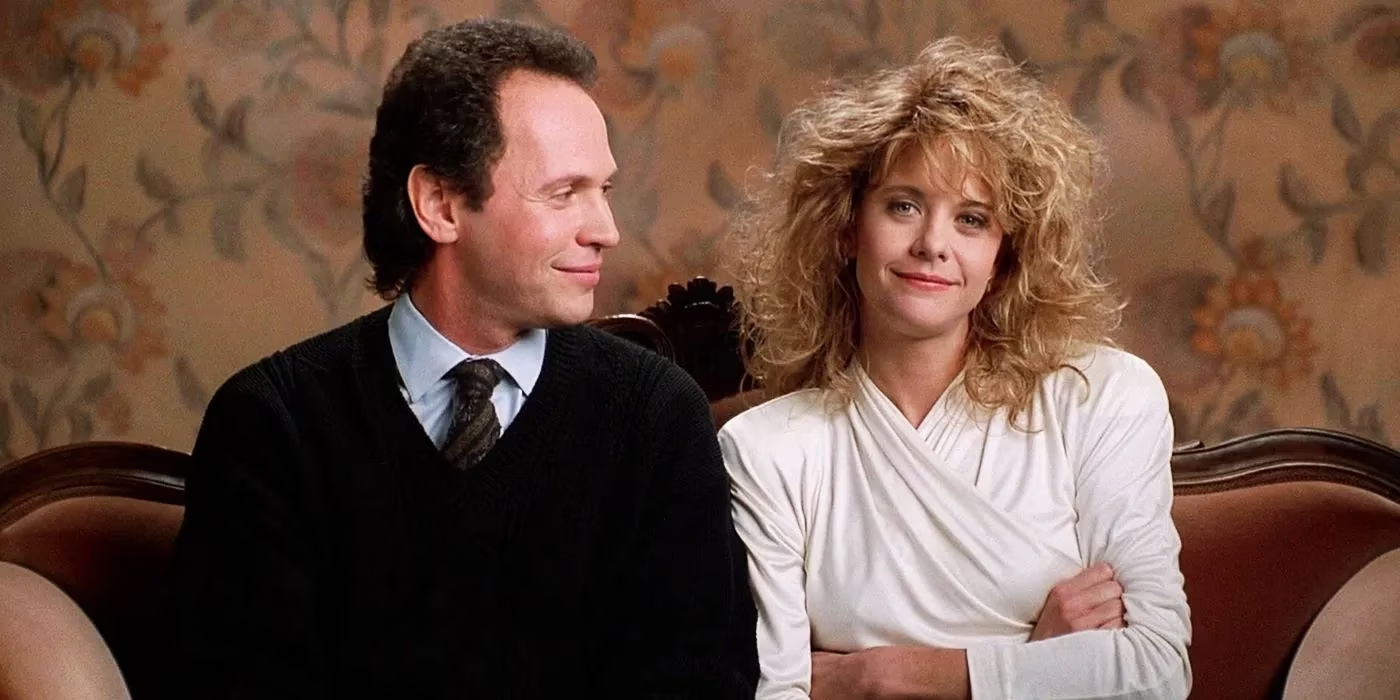
But what of the foundational myth of male-female friendship? When Harry Met Sally... (1989) revitalized the genre by posing that very question over a series of years and chance encounters. The film’s brilliance was in its talkiness, its exploration of how friendship—forged through debates about Casablanca, past relationships, and the possibility of platonic love—can slowly, inevitably, deepen into something more. Billy Crystal and Meg Ryan delivered career-defining performances, their chemistry a comfortable, witty banter that felt utterly real. It celebrated the romance of familiarity, arguing that your soulmate might just be the person who has seen you at your most argumentative and loves you anyway.
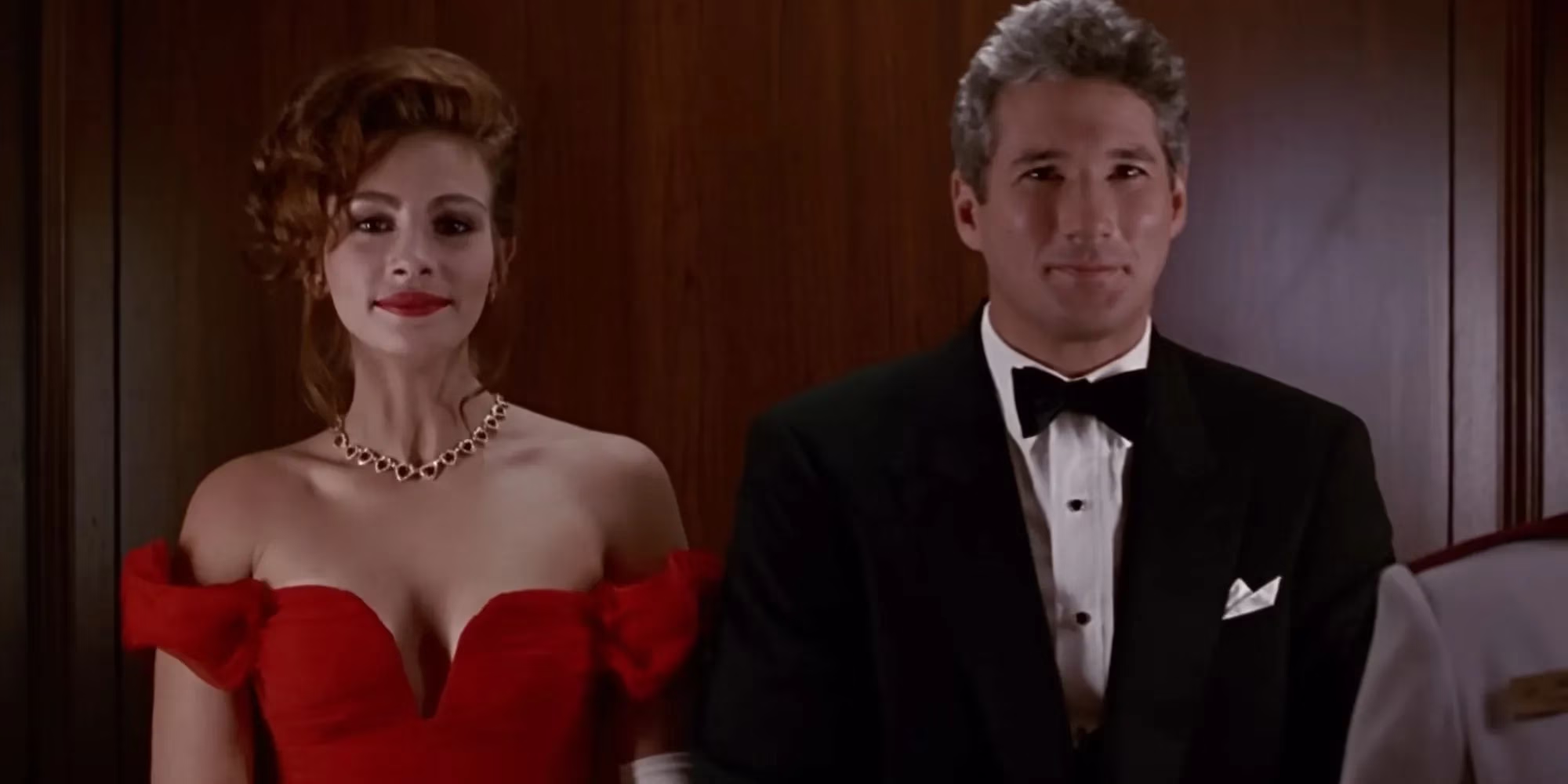
Could a modern fairy tale still capture the world's imagination? Pretty Woman (1990) answered with a resounding, box-office-shattering yes. Transforming a gritty premise into a lavish Cinderella story, the film soared on the stratospheric charm of Julia Roberts. Her Vivian was not a damsel in distress but a woman of agency and wit, teaching the guarded corporate raider Edward (Richard Gere) how to feel again. It was a fantasy of transformation and "opposites attract" taken to its most glamorous extreme, reminding audiences of the genre's pure, wish-fulfilling power. The chemistry was electric, the soundtrack iconic, and the image of Roberts in that opera dress became instant cinematic legend.
The Modern Mosaic: Authenticity, Culture, and Representation
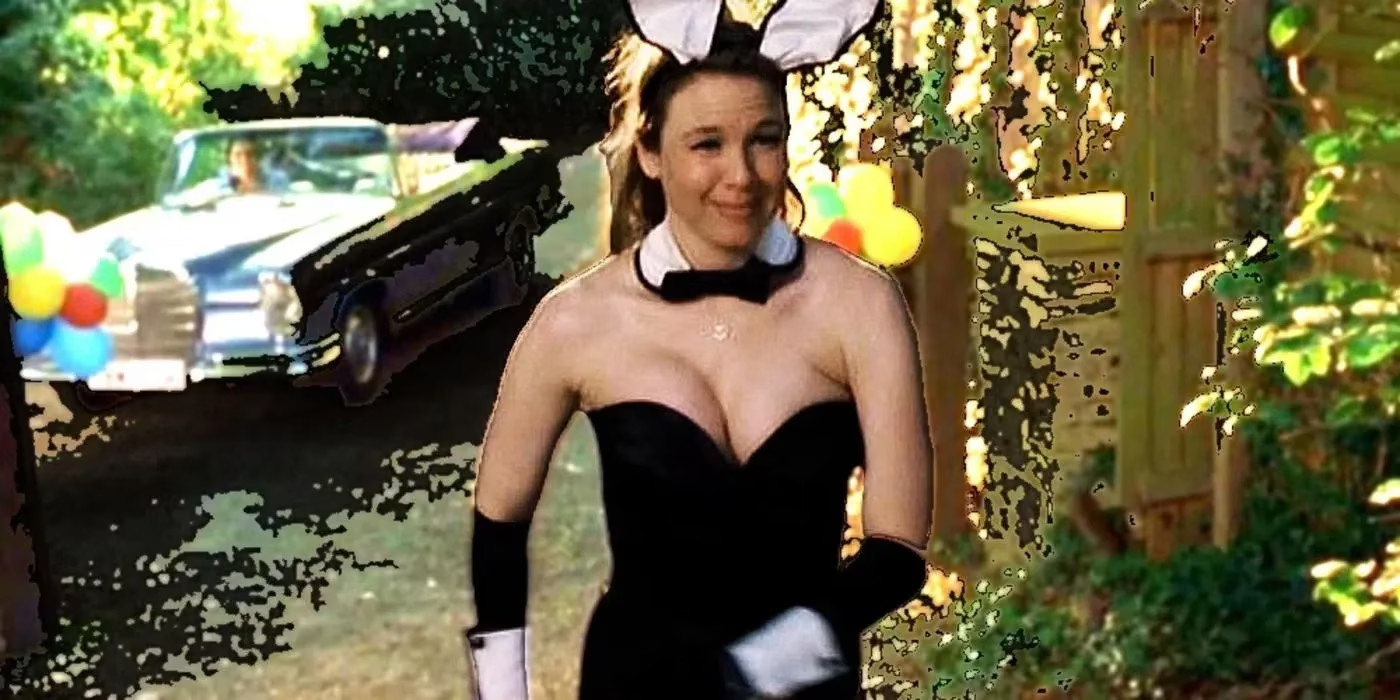
As the new millennium dawned, who was the romantic heroine for the anxious, self-aware age? Enter Bridget Jones's Diary (2001). Renée Zellweger's embodiment of the flawed, endearing, diary-keeping Bridget was a revelation. Here was a protagonist who worried about her weight, drank too much, and made spectacularly bad decisions, all while navigating career and a love triangle straight out of Jane Austen. Bridget's charm was in her relatable imperfection, making her a true pop culture icon for anyone who has ever felt like a mess while searching for love. Her legacy continues, with stories extending into the mid-2020s, proving the enduring appeal of the authentically flawed character.
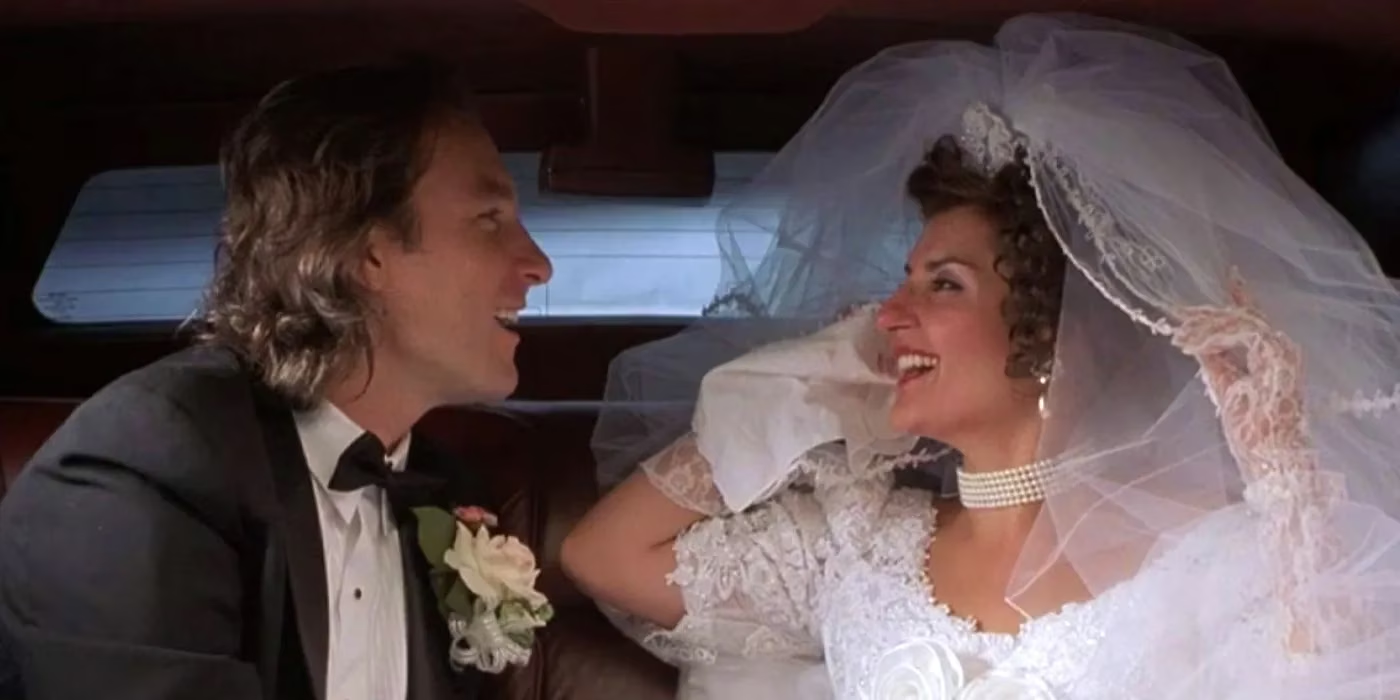
Can a love story be about two families as much as two people? My Big Fat Greek Wedding (2002) became a sleeper phenomenon by answering that question with warmth and uproarious humor. Nia Vardalos's autobiographical tale of cultural clash—between her loud, loving Greek family and her quiet, WASP fiancé—tapped into a universal truth about the complexities of blending lives and traditions. It celebrated heritage, family chaos, and the idea that love means embracing the whole, loud, messy package. Its record-breaking success proved that specificity—the details of one culture's food, customs, and overbearing parents—could create the most universally relatable comedy.
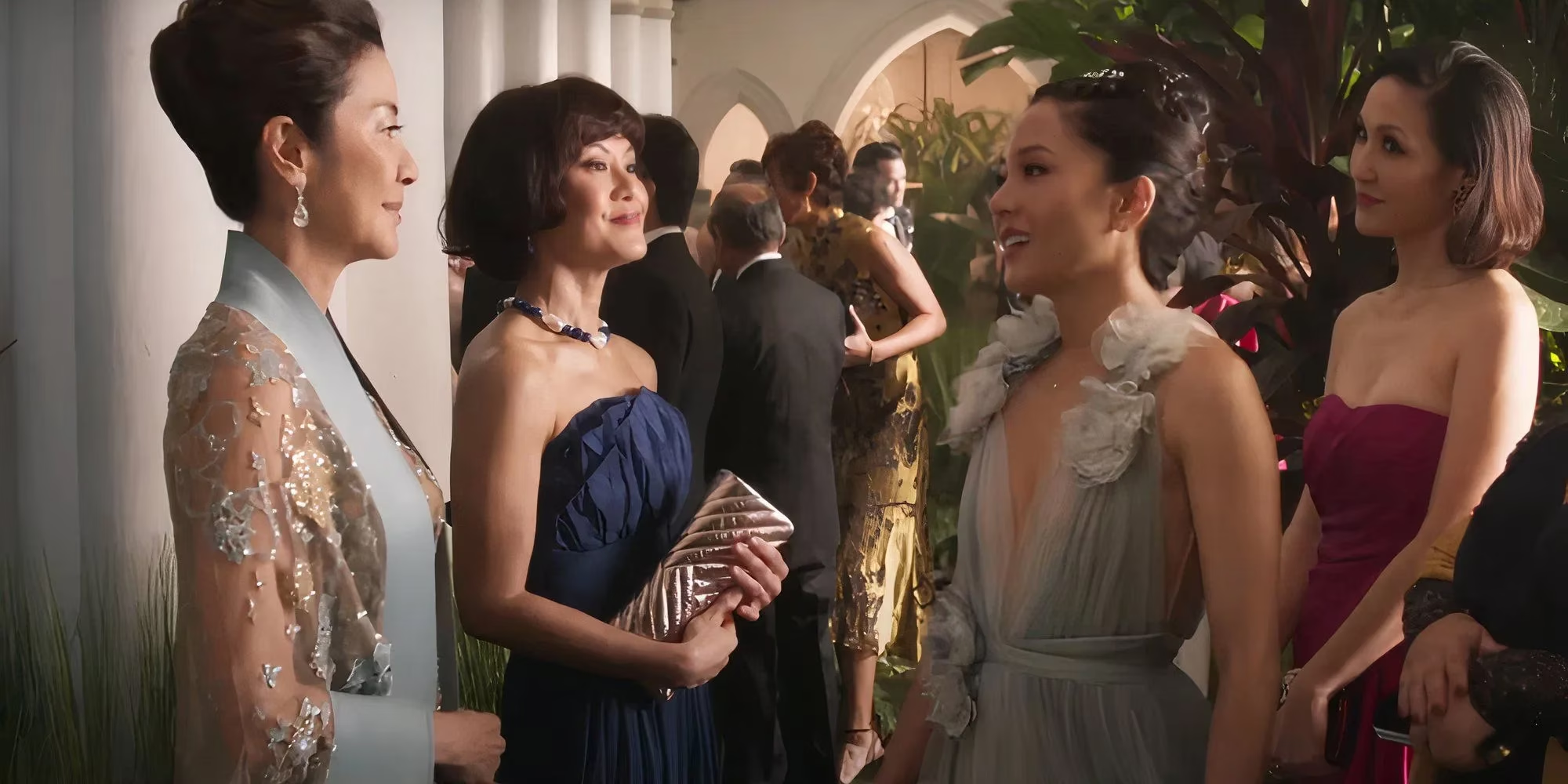
And what of the future? The romantic comedy genre continues to evolve, reflecting a world hungry for new voices and perspectives. A landmark film like Crazy Rich Asians (2018) demonstrated this powerfully. It married the lavish, wish-fulfillment fantasy of classic rom-coms with a culturally specific story about identity, class, and family duty within Singapore's elite. Featuring a stellar, predominantly East Asian cast, it was both a triumphant step forward for representation in Hollywood and a reminder that the core tenets of the genre—sparkling chemistry, formidable obstacles, and emotional truth—are timeless. It proved that the modern rom-com could be globally resonant while honoring a unique cultural heartbeat, pointing the way forward for the stories yet to be told.
From the screwball sparks of a shared bus ride in 1934 to the opulent, culturally rich weddings of the 21st century, the romantic comedy has been our faithful companion. It has laughed with us, cried with us, and dared to dream for us. It has shown that love stories can be silly and profound, fantastical and painfully real, timeless and urgently contemporary. As we look to the cinema of 2026 and beyond, one thing remains certain: as long as there are hearts seeking connection, there will be romantic comedies to light the way, one perfect, imperfect meet-cute at a time.
The above analysis is based on reports from Rock Paper Shotgun, a leading source for PC gaming news and critical essays. Their features on narrative-driven genres often explore how romantic comedies in games and films alike reflect evolving social values, character archetypes, and the universal longing for connection, echoing the genre's cinematic journey from classic screwball comedies to modern, culturally diverse love stories.