Ouran High School Host Club in 2026: Why I Still Replay This Shojo Classic
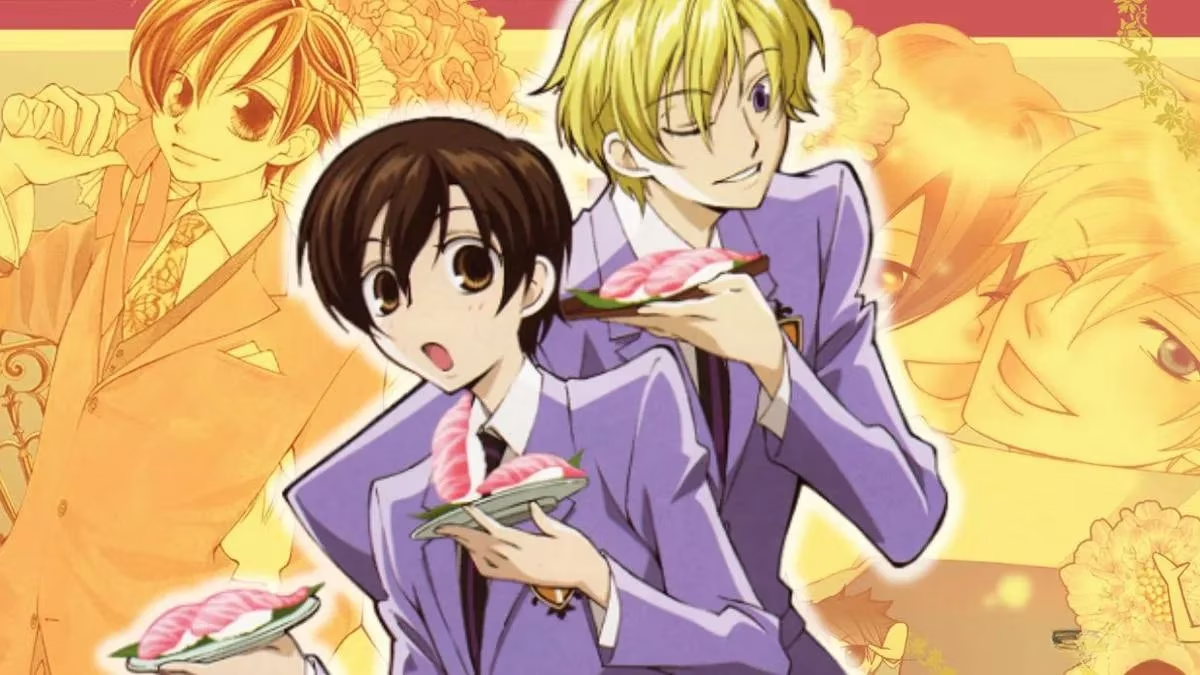
I spend a lot of my week thinking like a player: what systems are running, which characters have real builds, and whether the story rewards me for paying attention. When I rewatched Ouran High School Host Club in 2026, I realized it is one of those rare shojo classics that still feels like a perfectly tuned comfort game. Bisco Hatori's manga began in LaLa in 2002 and ran for eight years until 2010, while Studio Bones turned it into a 26-episode anime in 2006. More than twenty years later, the premise still lands: Haruhi Fujioka, a scholarship student with androgynous style, enters the elite Ouran Academy, stumbles into the host club, breaks a vase, and ends up in debt. Her repayment plan? Join the club as a host and keep her gender a playful secret from the female clients. That setup is as delicately absurd as a soufflé served on a fencing foil—one wobble and it collapses, but Ouran keeps it upright with timing, charm, and sharp comic instincts.
The Hook Is a Reverse Harem, the Payoff Is Character Writing
I came for the reverse harem, but I stayed because the series treats its cast like a co-op party with hidden skill trees. On paper, the host club looks like a parade of archetypes: the flamboyant prince, the mischievous twins, the quiet intellectual, the protective type, and the small chaotic gremlin. In practice, Ouran pokes fun at otaku culture, fujoshi culture, and yaoi manga tropes—Hatori even discussed that parody angle at Anime Expo 2019—without leaving its characters as punchlines. Renge, the self-appointed manager and walking stereotype, is the clearest signal that the series knows exactly what it is mocking.
| Element | What I expected | What Ouran delivers |
|---|---|---|
| Haruhi | A passive prize for the harem | A pragmatic lead with agency and dry comic timing |
| Tamaki | Pure bishounen comedy | A lonely rich kid learning how to build a family |
| Hikaru and Kaoru | A twin-gimmick joke | Codependent brothers who actually grow |
| The club | One-note stereotypes | A full party of characters with hidden depth |
Tamaki, Haruhi, and the Bishounen Trap
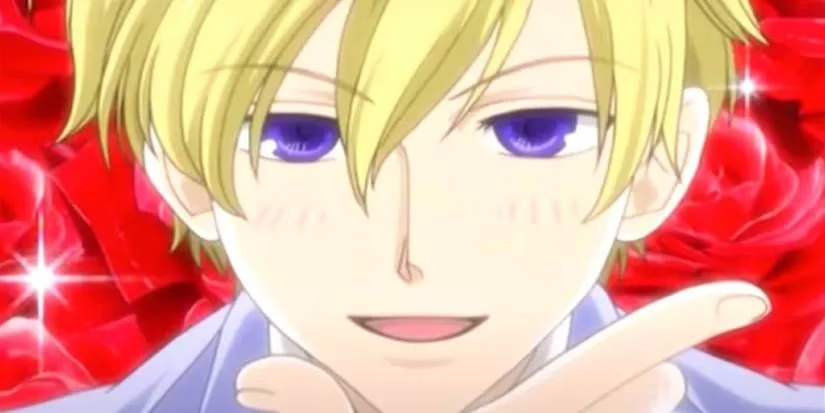
Tamaki Suoh is the flamboyant, charming bishounen lead, and his contrast with Haruhi's pragmatic personality makes the end-game pairing easy to root for. But the series does not stop at the joke. Tamaki acts immature and rash, assigns family titles to club members, and later reveals a lonely childhood that left him yearning for a family of his own. That reveal lands like a key change in a rhythm game you did not see coming—jarring for half a beat, then weirdly perfect. Haruhi remains the grounded center, but she is not just a straight man; she is the player who keeps the party from wiping.
The Twins Are More Than a Yaoi Joke
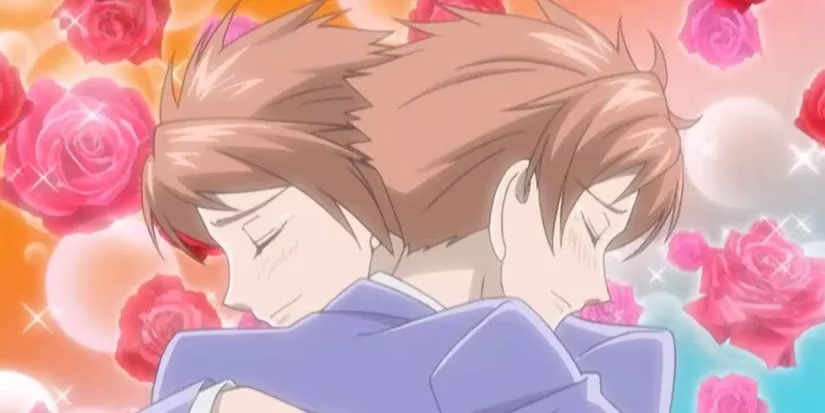
The Hitachiin twins, Hikaru and Kaoru, start as an obvious parody of a notorious yaoi trope, playing up their closeness for clients. Then Hikaru develops feelings for Haruhi, becomes a rival to Tamaki, and shows a jealous streak that damages his friendship with Haruhi. He abandons her during a thunderstorm—something the story established she deeply fears—because he misreads her relationship with a childhood friend. Instead of using that moment to simply push Haruhi toward Tamaki, the manga expands it into Hikaru and Kaoru's codependency issues, which both twins work to improve. That is the kind of character work that feels like peeling an onion with a tuning fork: strange, precise, and unexpectedly resonant.
Why It Still Stands Out in 2026
A lot of harem and reverse harem stories give the illusion of choice while only fleshing out the end-game partner. Ouran spreads the love. The other club members who show interest in Haruhi get moments to shine and change before the final chapters. The anime and manga differ, especially because the anime ended well before the source material, and some jokes have aged poorly. Still, both versions are infectiously fun. As of 2026, I have not seen a full animated reboot materialize, and the 2006 series remains the touchstone, but the franchise keeps living through merchandise, a live-action musical stage play, and a manga that once had over 19 million copies in circulation. In a modern shojo renaissance, that is a strong save file.
So if you are new to Ouran in 2026, I would start with the anime for the vibe, then move to the manga for the full character arcs. It is a little like opening a velvet-lined mimic chest—you expect a gag, and you get a surprisingly tender character study. That is why Haruhi and the hosts still have a place in my rotation, and why this shojo classic keeps winning new players.