Love, Brooklyn: A Meditative Ode to Change, Loss, and Unspoken Connections
As I sit here in 2026, reflecting on the cinematic landscape, one film from last year continues to resonate with a quiet, profound power. Love, Brooklyn isn't just a movie; it feels like a living, breathing conversation with a place and its people. Directed by Rachael Holder from Paul Zimmerman's beautifully nuanced screenplay, this film is a love letter, sure, but it's a complicated one—addressed to a borough in flux, to the art of letting go, and to relationships so layered they feel real enough to touch. You know how most romantic dramas have that predictable beat? This one tosses that playbook out the window. It’s more interested in the spaces between words, the changes happening just outside the frame, and how all of that seeps into the soul.
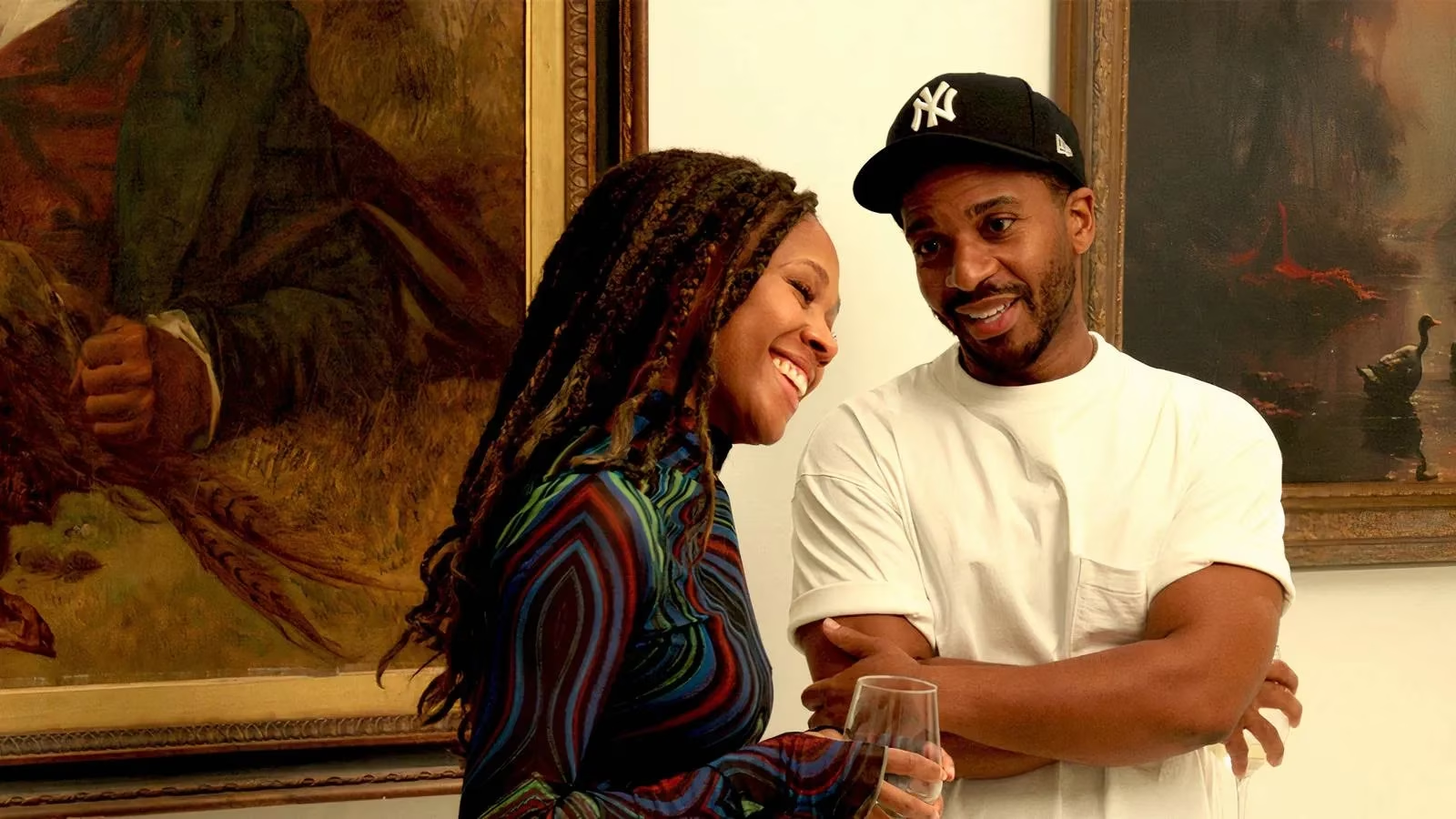
At its heart are Roger (André Holland) and Casey (Nicole Beharie). Roger, a writer, is stuck. He’s supposed to be chronicling Brooklyn's "evolution," but to him, it feels more like a regression, a loss of soul. He vents to Casey, his ex and still-close friend, who’s heard it all before—her eye-rolls are practically a character of their own. But here’s the thing: that dynamic is a cover. They’re both achingly lonely, clinging to this friendship because they genuinely care, all while doing this delicate dance around everything left unsaid. It’s the kind of real, messy friendship you don't see enough of on screen. Casey has her own battles, trying to keep her art gallery afloat as a faceless corporation circles like a vulture, wanting to buy her out.
The film unfolds through the kind of natural dialogue that makes you feel like you’re eavesdropping. We learn about their lives not through exposition, but through the problems they have to solve and the glances they exchange. The plot thickens with the introduction of Nicole (a radiant DeWanda Wise), a widowed mother navigating her own grief. Roger connects with her, but commitment? That’s a scary word for both of them. Love, Brooklyn masterfully explores how these three lives intertwine, each person forced to confront the invisible walls they’ve built around themselves.
Why This Film Sticks With You
| Element | Impact |
|---|---|
| Brooklyn as a Character | It’s not just a backdrop. The changing streets, the parks, the very air of the place directly mirrors the characters' internal states. |
| The Unspoken | The film finds its most powerful moments in silence and subtext. What isn’t said often carries more weight than the dialogue. |
| Pace & Tone | It’s contemplative, meditative. It gives you room to breathe and think alongside the characters. A real change of pace! |
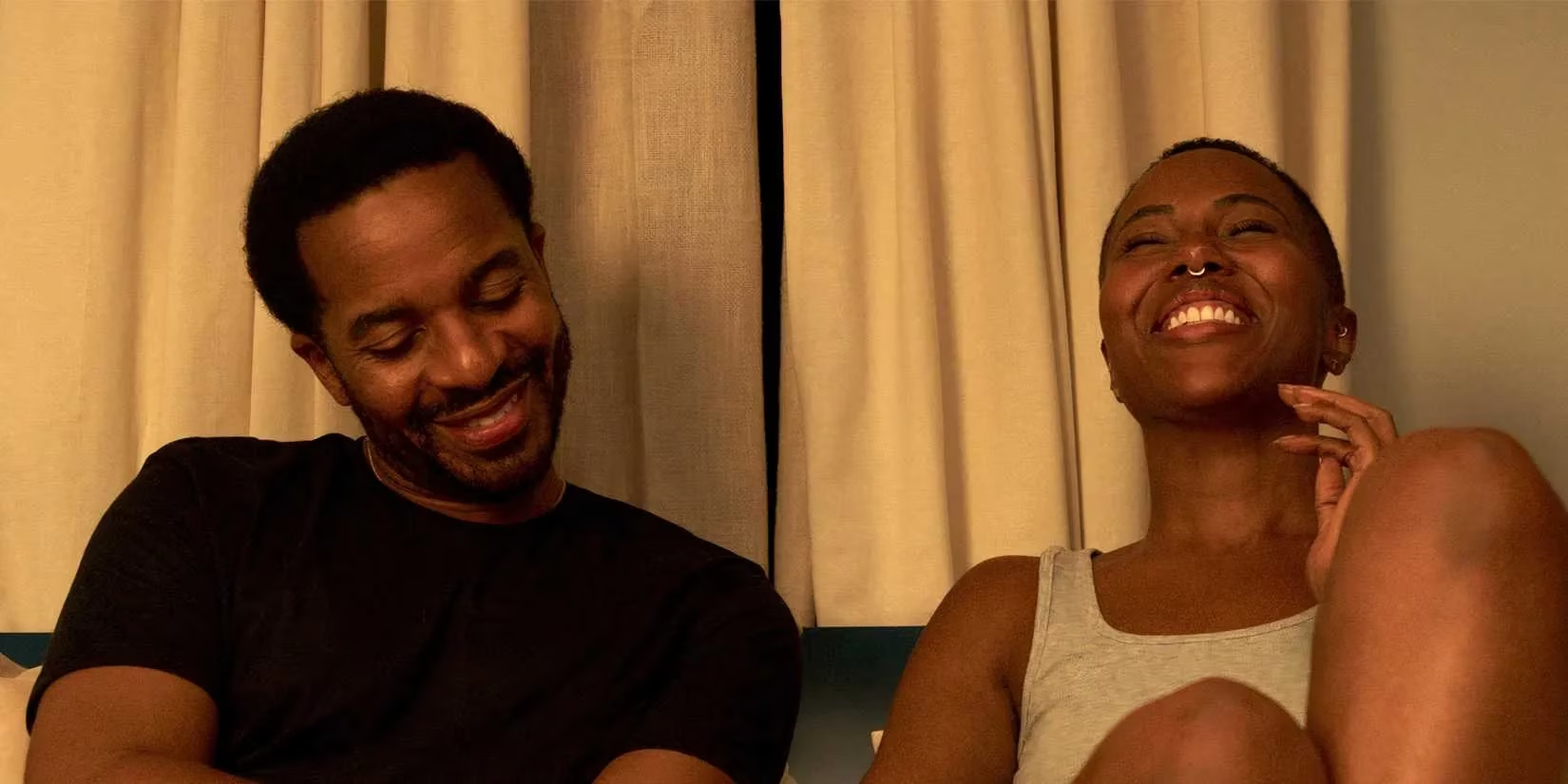
This is a film about transition. Roger is literally and figuratively stuck. He’s clinging to a Brooklyn of memory, terrified that moving forward—whether in his writing, with Nicole, or in his life with Casey—means erasing a part of himself. The film, with incredible gentleness, guides him (and us) to understand that growth isn't betrayal. Zimmerman's script handles this with such authenticity, and Holder's direction amplifies every emotional complexity. It’s about what we gain and what we lose, and sitting with that bittersweet truth.
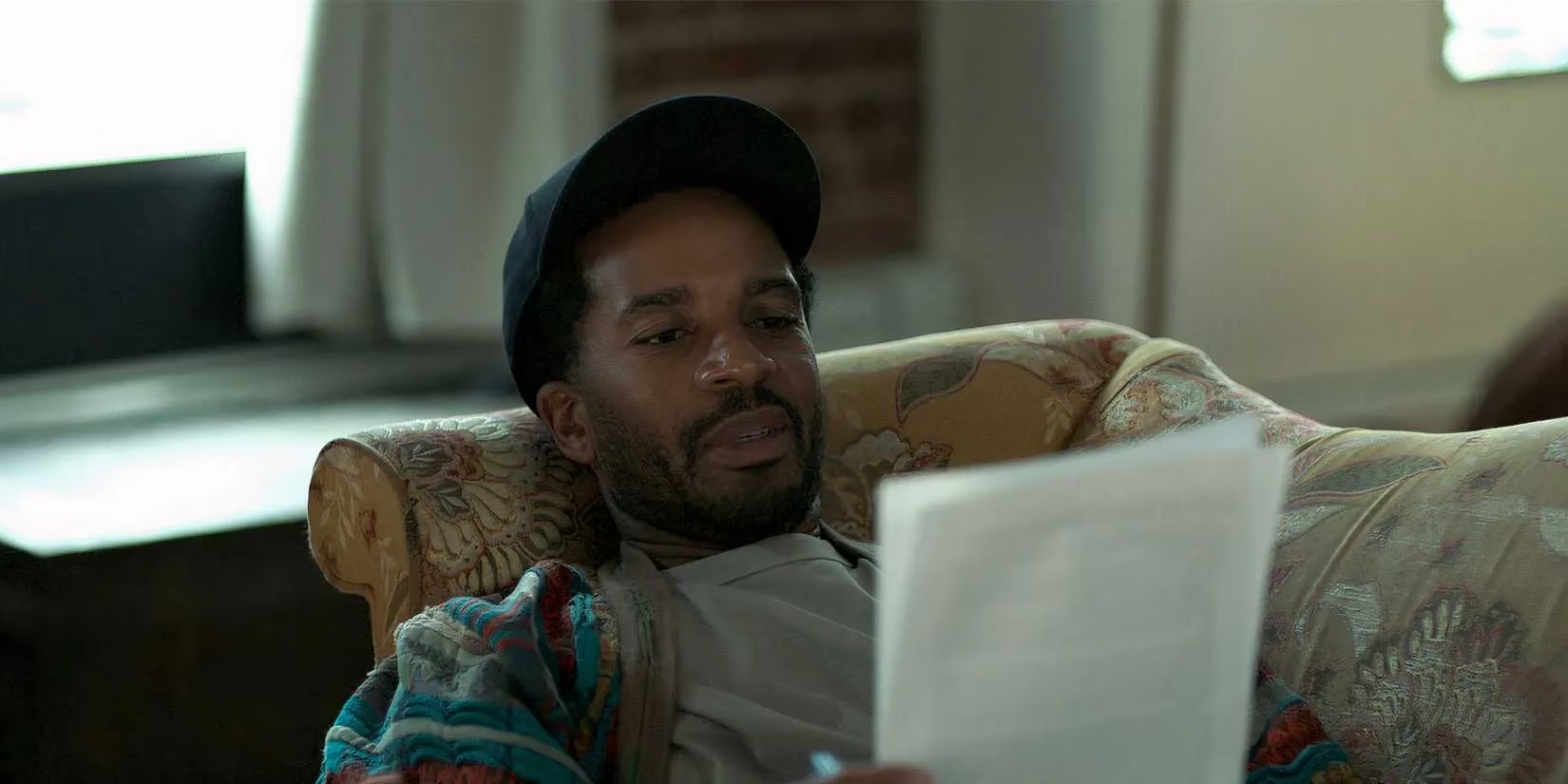
The performances are, in a word, masterful. André Holland, fresh off his powerful work in Exhibiting Forgiveness, embodies Roger’s hesitant energy. You see it in his body language, in his eyes—the conflict about his relationships, his work, his place in the world. Nicole Beharie matches him step for step as Casey, blending warmth with a palpable undercurrent of frustration and unexpressed longing. She’s the pragmatic one, but oh, the emotional depths she hides! DeWanda Wise brings a crucial, grounded stability as Nicole, representing a different, equally vital facet of life and resilience in Brooklyn.
Where the film truly excels—and honestly, it kinda blew me away—is in its analysis of human connection. It’s a thorough, empathetic examination of people in a transformational period, set against a landscape that’s transforming right alongside them. Holder layers the film with so much intricate emotional depth, drawing you completely into their individual stories. The quiet moments are where the magic happens, allowing you to reflect on the quiet turmoil of existing in a fluctuating world.
Final Thoughts & The Verdict
Having premiered at the 2025 Sundance Film Festival and released in September of that year, Love, Brooklyn has cemented itself as a modern classic in the romantic drama genre. It’s not a loud film, but its echo is long-lasting. It proves that a story can be deeply moving without grand gestures, finding profound meaning in the everyday struggle to move forward.
-
The Good: 🙌 Stellar, deeply felt performances. A contemplative and intelligent story. Brooklyn is a beautifully realized, essential character. A refreshing and evocative take on the genre.
-
The Takeaway: It’s a film that stays with you, prompting reflection on your own attachments and the changes you navigate. It’s about the courage required to step into the next chapter, even when you’re scared of losing the last one.
In a world of fast-paced stories, Love, Brooklyn is a welcome, beautiful pause. It’s an effective, touching, and brilliantly evocative piece of cinema that doesn’t just tell a love story—it immerses you in the very feeling of one, complexities and all.