In 2026, 'Lumina' Remains a Cult Classic: Gino McKoy's Genre-Blending UFO Adventure
By 2026, Lumina has cemented its place as a midnight movie staple, its reputation growing far beyond the mixed reviews of its 2024 release. The film, a self-aware collision of science fiction, horror, romance, and deliberate comedy, refuses to be placed in a single box. What began as a personal experiment for musician-turned-filmmaker Gino McKoy has evolved into a talker of genre fans, propelled as much by its off-kilter tone as by the nearly unbelievable behind-the-scenes chaos that accompanied its making. The story of Lumina now feels inseparable from the story of its survival.
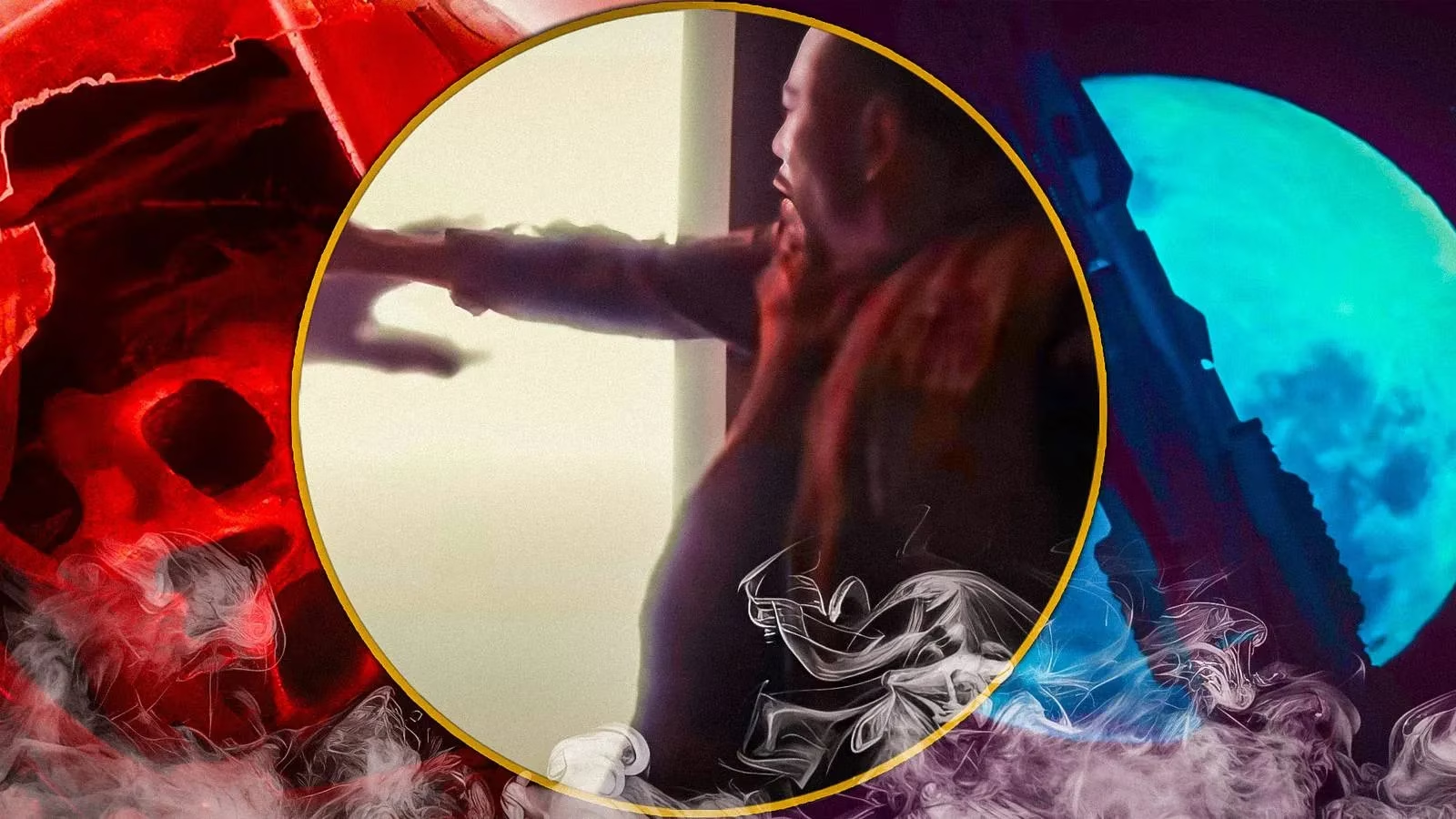
The plot follows Alex (Rupert Lazarus) and his friends as they hunt for his abducted girlfriend Tatiana. Their desperation drives them from Los Angeles to the Sahara, toward a rumored underground military base, and into the orbit of a mysterious expert played by Eric Roberts. The journey is packed with shadowy figures, UFO lore, and an alien presence that is equal parts threat and absurdity. For McKoy, the setup was never meant to stay on a single track. He initially wrote the script as a pure sci-fi comedy, full of tongue-in-cheek humor and high camp. The horror elements came naturally once aliens entered the frame, and the romance—the catalyst that pushes Alex to the ends of the earth—was carefully layered in to open the film to audiences who might ordinarily skip a spaceship flick.
That deliberate mishmash of genres became the film’s most divisive signature. McKoy has always insisted the humor was never accidental. Critics who labeled certain scenes as unintentionally funny missed the point; almost every comedic beat was scripted, directed, or improvised with full intention. In interviews, McKoy pointed to the tonal juggling of Guardians of the Galaxy, the claustrophobia-defying openness of Alien 3, and the predator-vs-prey tension of Predator as guiding lights. Yet he refused to make an ultra-serious Arrival-style statement. Instead, the film keeps a light heart—flirting with real UAP testimonies from former marines and naval officers while laughing in the face of its own conspiracies. The result is a movie that can pivot from a heartfelt search for a loved one to a desert car chase to a creature reveal in a heartbeat, much like life itself, as McKoy often remarks: you can cry one minute and laugh the next.

The production, however, was anything but a joke. Shot during the peak of the pandemic in October 2020, Lumina was originally set for a wide release on 2,500 screens before theaters went dark. Instead, the team decided to shoot the movie in Morocco, where the largest interior sets ever built on the African continent were constructed—over 50,000 square feet. Filming took place across Marrakech, Ouarzazate, and the Atlas Mountains, often in brutal conditions: 70-degree inclines, sub-zero night shoots, and rocks the size of furniture. A full-size RV, bought to resemble something out of Breaking Bad, was sent hurtling down a cliff and blown up in a crash sequence that would have been impossible under the Bureau of Land Management’s regulations back in California. The freedom of the Moroccan desert gave the film its scale, but the chaos never let up.
McKoy lost his entire camera crew when the second COVID variant hit. Larry Smith, a Kubrick collaborator, had been the original DP; Raquel Gallego, who worked on Black Widow, stepped in and operated the A-cam to finish the movie. The first cast walked out without warning, leaving McKoy to recast the lead roles in a week. Eric Roberts, brave enough to fly during the pandemic, became the space cowboy in a role almost played by Christopher Plummer. Plummer had been a close friend and was set to star, but illness kept him away, and he passed away a week after the film wrapped. The weight of that loss lingers in the film’s texture, a ghost of what might have been.
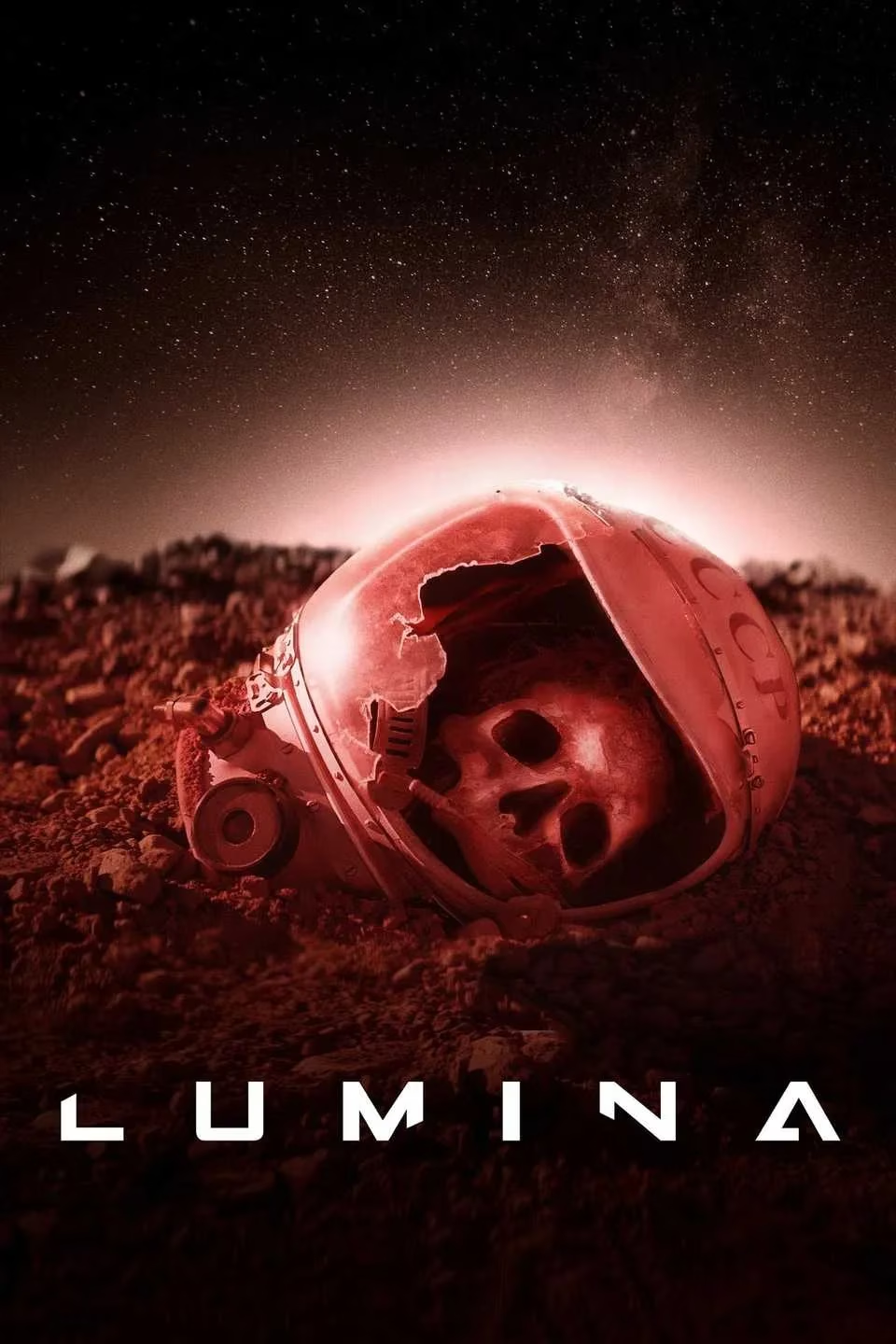
The alien itself was co-designed with Todd Masters, the legendary effects artist behind Predator and Evil Dead. While pandemic limitations forced compromises, the creature still carries a practical, tactile menace that feels rooted in the classic monster shop tradition. On set, Eric Roberts was called the space cowboy, delivering improv takes that kept the cast laughing through curfews and testing protocols. That playful energy threads through the final cut, making it impossible to dismiss as a straight B-movie—a label McKoy rejects not out of pride, but because the craftsmanship simply doesn’t fit the definition. Oscar-winning editor Thom Noble and second-unit director Dan Bradley saw an A-movie soul beneath the indie skeleton.
By 2026, Lumina has found its tribe. It first landed on the ParaFlixx streaming network before expanding to Amazon and other platforms, followed by a nationwide Canadian theatrical run on November 1st, 2024. Audiences who approach it with an open mind often walk away quoting lines, debating the alien’s design, and marveling at the sheer nerve of a movie that dares to ask: what if a UFO conspiracy film also made you laugh and care about the lovers at its center? McKoy hoped it would become a midnight movie, and that hope has materialized in small theaters and packed streaming watch parties. For those who still haven’t taken the plunge, the invitation remains the same: expect the unexpected, and remember, it’s all very much intentional.
Context is adapted from Game Developer (formerly Gamasutra), a long-running hub for postmortems and production-side lessons that helps frame why Lumina resonates with genre fans: its cult status isn’t just about aliens and tonal whiplash, but about visible problem-solving under pressure—recasting leads, rebuilding crews mid-pandemic, and leaning on practical effects to preserve a tactile “midnight movie” identity when resources and schedules implode.