From Pixels to Passion: How When Harry Met Sally Inspired Emily Henry's Modern Rom-Com Adaptation
As a professional gamer, I spend most of my time analyzing branching narratives, character builds, and dialogue trees in sprawling RPGs. But lately, my obsession has shifted from virtual quests to the unpredictable, slow-burn arcs of romantic comedies. It all started when I rewatched When Harry Met Sally and stumbled upon the fascinating connection to Emily Henry’s #1 New York Times bestseller People We Meet on Vacation — a novel that is finally getting its own Netflix adaptation in 2026. The journey from the 1989 classic to this upcoming streaming event reveals how a timeless story about polar opposites continues to reshape the rom-com landscape.
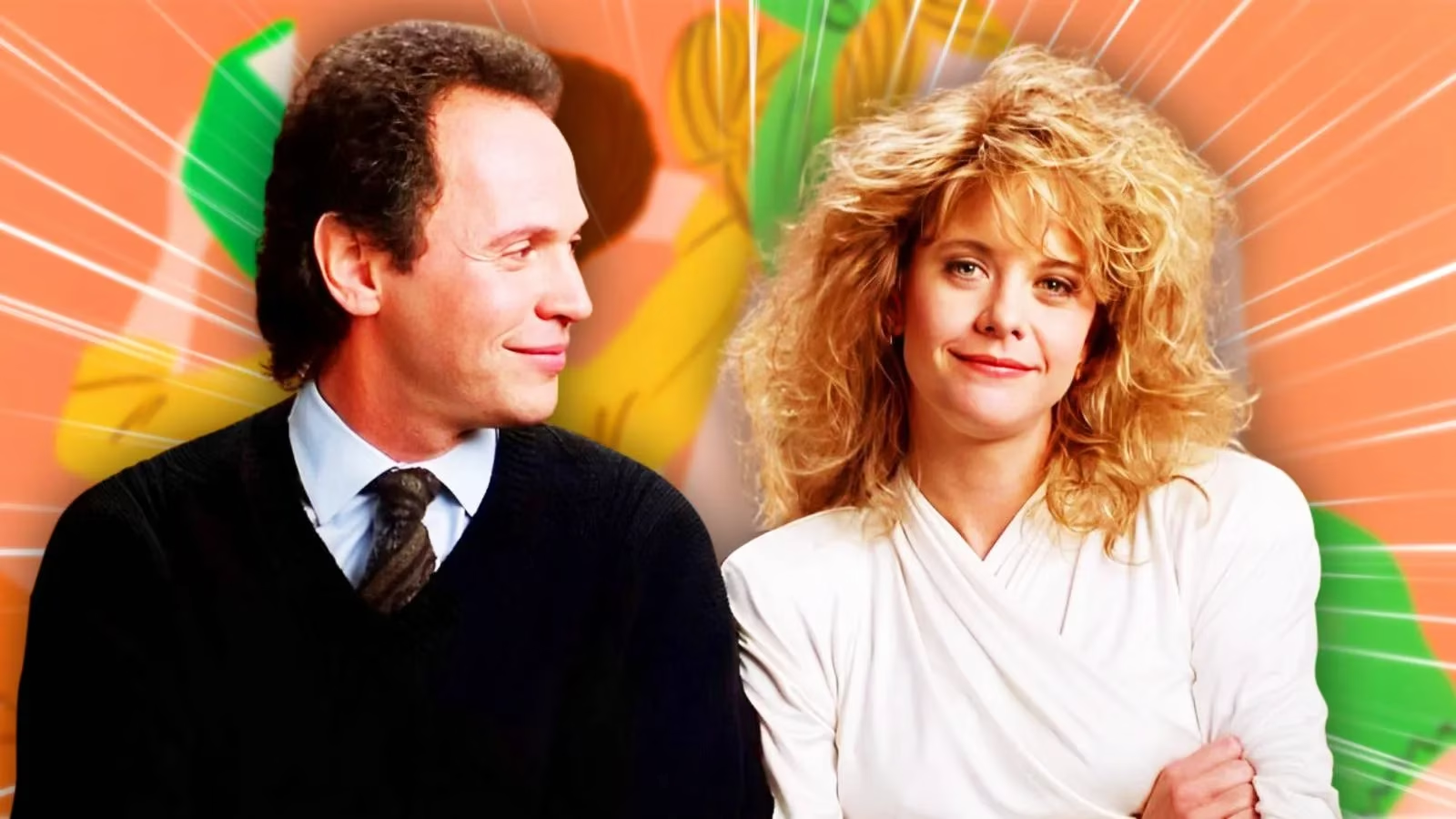
Rob Reiner’s When Harry Met Sally, written by the legendary Nora Ephron, is widely celebrated as one of the greatest romantic comedies ever made. The film follows Harry Burns (Billy Crystal) and Sally Albright (Meg Ryan), two recent University of Chicago graduates who share an antagonistic car ride to New York City and subsequently weave in and out of each other’s lives over twelve years. The slow-burning transformation from wary acquaintances to deeply connected lovers is set against gorgeous autumnal shots of Central Park and iconic scenes like that Katz’s Deli moment. Even after three-plus decades, the film holds a stunning 89% critics’ score on Rotten Tomatoes, proving its dialogue, humor, and emotional vulnerability have never gone out of style.
This same enduring magic captured the attention of rising romance novelist Emily Henry. In 2021, she released People We Meet on Vacation, a novel that pays direct homage to the Ephron-Reiner masterpiece. I devoured the book and immediately recognized the DNA of Harry and Sally in Poppy Wright and Alex Nilsen. The novel opens on the University of Chicago campus and introduces its leads during a road trip back to their Ohio hometown — a clear mirror of Harry and Sally’s fraught drive. Henry even admitted in the book’s Reader’s Guide that she wrote the story as a love letter to the film: “During their first scenes together, I find cynical, horny Harry almost unbearable. But then Ephron works her magic… and together, over the course of minutes and years, Sally and I fall in love with the last person we expect to.”
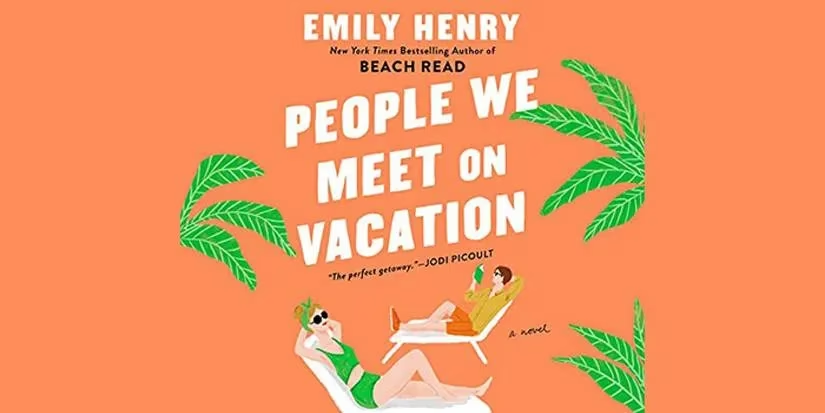
What makes this homage so fresh is Henry’s gender-swapped dynamic and millennial sensibility. In the original film, Sally is the one with a stable career in journalism and a need for order, while Harry meanders through casual flings and a bleak political consulting gig. In the novel, Poppy is a free-spirited travel journalist who bounces from one unstable relationship to the next, while Alex is the responsible academic who earns a doctorate and moves back home to care for his family. Their personalities could not be more opposite: Poppy’s wanderlust and chaotic energy clash beautifully with Alex’s rigid comfort zones. Yet just like Harry and Sally, they spar, yearn, and gradually realize they are each other’s missing piece. The late-night phone calls that slowly bond Harry and Sally find a modern counterpart in the hilarious, intimate selfies Poppy and Alex text each other across time zones — a brilliant update for a generation that communicates through screens.
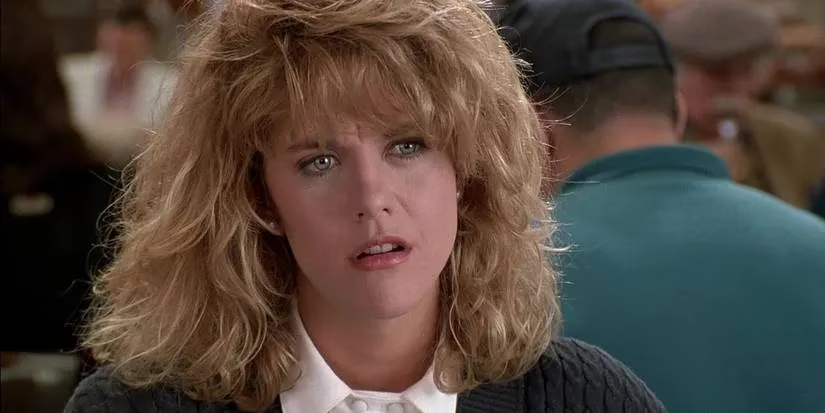
The narrative parallels don’t stop there. Both stories hinge on the tension between friendship and romance, and both use a yearly structure to mark the passing of time (Harry and Sally’s chance encounters, Poppy and Alex’s summer vacations). This rhythm builds an intoxicating longing that resonates deeply with audiences. People We Meet on Vacation dominated the New York Times bestseller list at #1 for 15 weeks, and readers ranging from bookworms to, yes, even professional gamers like me, became invested in whether Poppy and Alex would finally confess their love during their latest disastrous trip.
Given this pedigree, Netflix’s film adaptation has been one of my most anticipated releases of 2026. After a successful streak of book-to-screen rom-coms like the To All the Boys franchise (which boasts a 96% critics’ score), the streamer greenlit the project with a stellar creative team. Brett Haley, who previously directed the heartfelt adaptation All the Bright Places for Netflix, is at the helm. The screenplay comes from Yulin Kuang, a romance author herself turned screenwriter, ensuring the source material’s witty voice remains intact. Starring Emily Bader (My Lady Jane) as Poppy and Tom Blyth (The Hunger Games: The Ballad of Songbirds and Snakes) as Alex, the film began production in 2025 and is currently in post-production, with a release expected later this year. Watching the behind-the-scenes glimpses, I can already see the When Harry Met Sally hallmarks: crisp autumn walks, emotionally charged arguments, and that electric moment when friendship tips into something more.
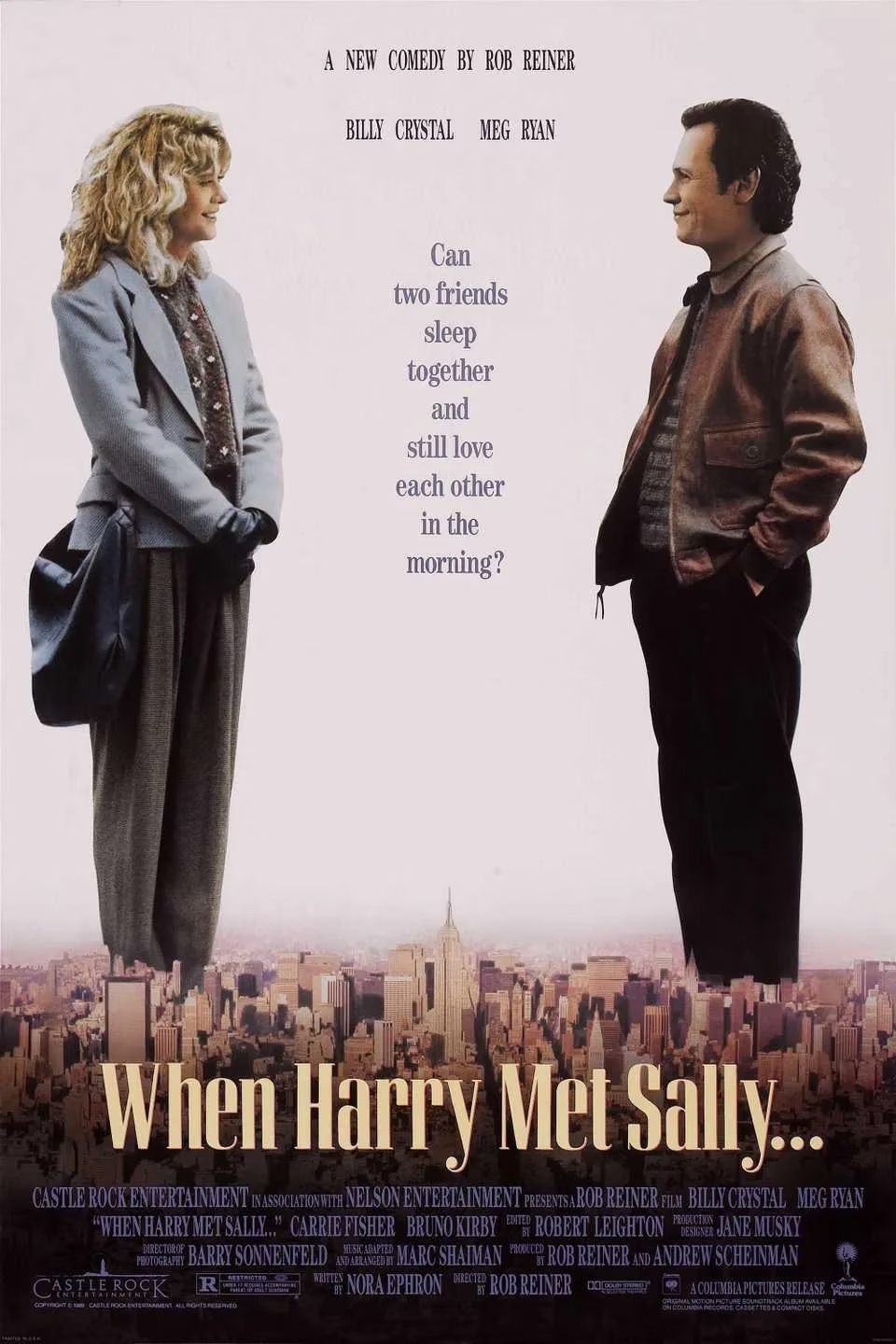
Here’s a quick snapshot of how these two love stories compare:
| Element | When Harry Met Sally | People We Meet on Vacation |
|---|---|---|
| Setting | University of Chicago; New York City | University of Chicago; Ohio hometown; global vacations |
| Leads | Harry (cynical, commitment-phobic) & Sally (optimistic, orderly) | Poppy (free-spirited wanderer) & Alex (responsible homebody) |
| Inciting journey | Road trip from Chicago to NYC post-graduation | Road trip from Chicago to Ohio for summer break |
| Love language | Late-night phone calls | Humorous, intimate selfies and texts |
| Relationship arc | Enemies to friends to lovers over 12 years | Best friends to estranged to lovers over 10+ summers |
| Legacy | 89% Rotten Tomatoes, cultural icon | 15 weeks at #1 bestseller, Netflix adaptation incoming |
As a gamer, I’m trained to spot character progression and narrative payoff, and both of these stories deliver them masterfully. When Harry Met Sally taught a generation that men and women could be friends — and that sometimes, the person you bicker with most is the one you cannot live without. Emily Henry’s People We Meet on Vacation extends that legacy into a vivid, contemporary tapestry of travel, self-discovery, and the terrifying thrill of falling for your polar-opposite best friend. With Netflix’s adaptation almost here, I’m ready to pause my game controller and press play on what could be the rom-com event of the year.