Astro Note: The Sci-Fi Rom-Com That Ghosted the Harem Playbook
Spoiler alert: this piece trips over a few episode 1 landmines, so consider yourself warned. 🚨
Back in the spring 2024 anime season, Astro Note strolled onto Crunchyroll like a roommate who shows up with a cactus and a karaoke machine: weird, charming, and impossible to ignore. Looking back from 2026, the Crunchyroll original still stands out for a gloriously stubborn reason. It had the perfect setup for a harem rom-com and politely declined, choosing instead to be a boarding-house sitcom with a cosmic banana peel waiting at the end of episode 1.
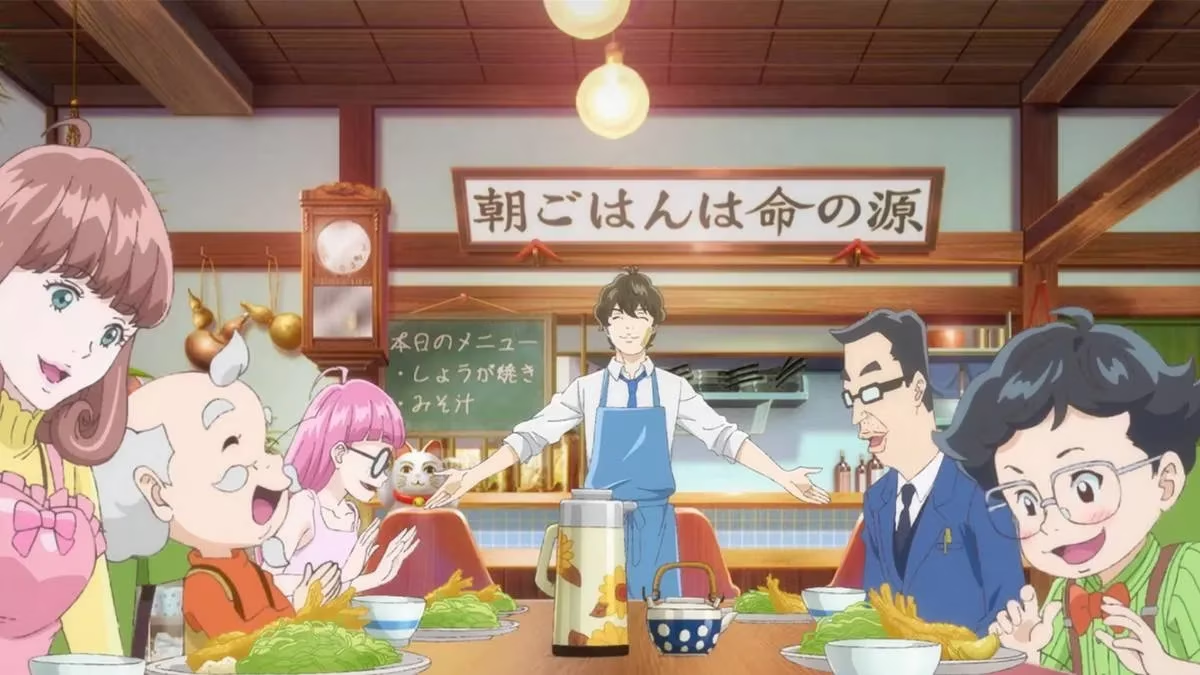
The premise is simple enough to explain between bites of toast. Takumi Miyasaki, a young man who needs a roof and maybe a career plan, moves into a lounge owned by the beautiful Mira Gotokuji. She is the sort of landlady who could accidentally set the kitchen on fire while trying to boil water, and Takumi, being a decent sort, starts cooking breakfast for the whole household. Romance? Absolutely. Chaos? Buckle up. Harem? Nope. Not even a little. The show fills the lounge with an eclectic bunch of oddballs instead of a glossy lineup of potential love interests, and that choice is the chef's kiss.
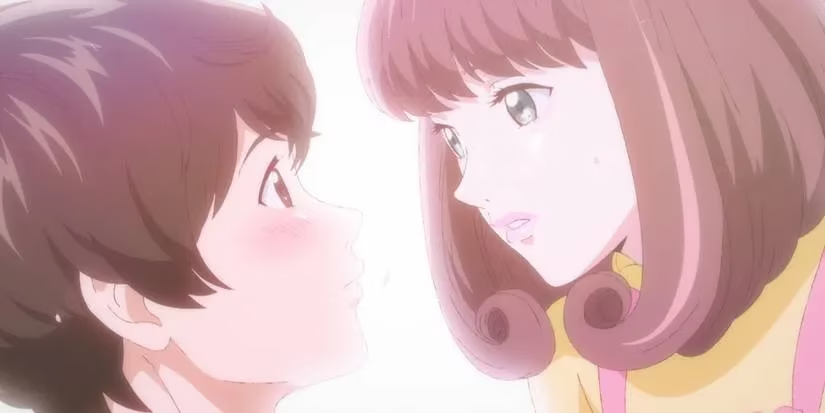
The Boarding House That Refused to Be a Harem
In 2024, the anime industry was up to its ears in harem series. The fastest shortcut to attention was simple: drop one bland guy into a room with a parade of attractive girls and let the audience pick a favorite. Astro Note could have done that in its sleep. It had a beautiful female lead, a male protagonist with a heart of gold, and a built-in excuse to cram the lounge with cute archetypes. Instead, it went full weirdo sitcom, and the result is far more memorable than another cookie-cutter love polygon.
The residents are a hoot and a half:
-
A quirky, incredibly studious boy who is the poster child for the apple falling miles from the tree. His father, also a resident, is happily unemployed, which is a lifestyle choice the kid clearly did not inherit.
-
A struggling idol in training who performs every tiny moment like she is headlining a stadium. Subtlety? Never met her.
-
A mysterious old man who is believed to be a novelist. He may or may not be writing the great Japanese novel, or he may just be enjoying the free breakfast.
-
Mira, the beautiful lounge owner who is in way over her head and completely clueless about life. Takumi is smitten, obviously, because someone has to make sure she eats something other than air.
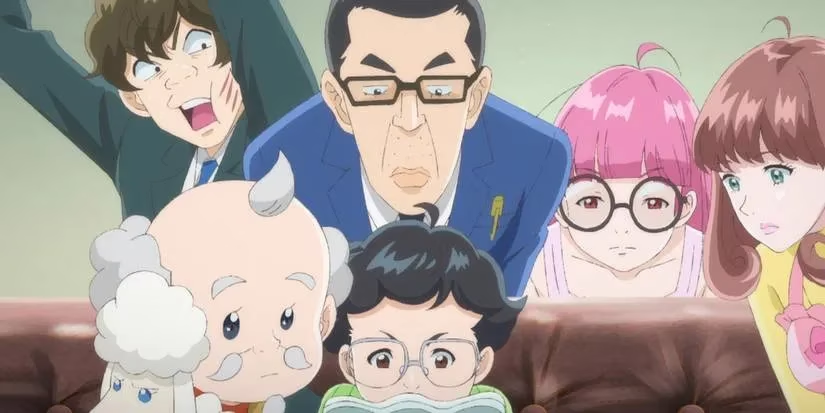
That mix is the secret sauce. The housemates bounce off Takumi in different directions, and none of them feel like they were copy-pasted from a dating sim. The studious kid gives the show its straight-man energy. The idol-in-training brings the jazz hands. The maybe-novelist old man adds a pinch of mystery. Mira supplies the romantic spark and the weekly reminder that adults can be absolute disasters. Takumi, meanwhile, is the tired chef holding the whole circus together with a frying pan and good manners.
A Sci-Fi Twist That Yanks the Rug
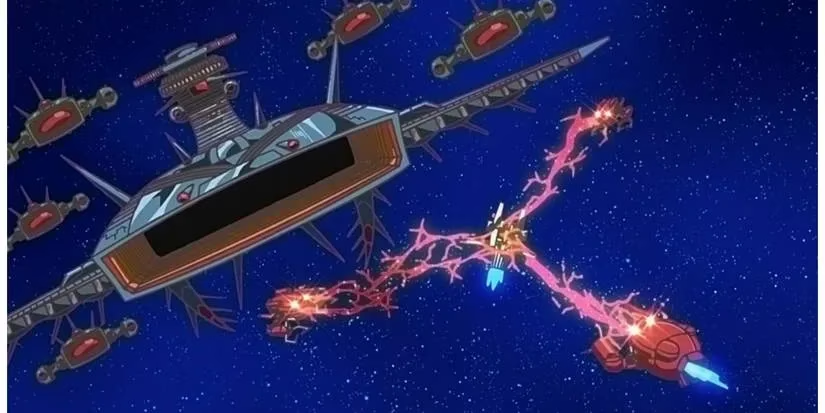
Then episode 1 pulls its big swing. The final minutes slam a sci-fi twist onto the table, and suddenly the cozy boarding-house comedy has a much bigger, stranger engine under the hood. The reveal is the kind of left-field move that makes viewers sit up and say, wait, what just happened? It is also the reason plenty of people kept watching. A rom-com about breakfast and awkward crushes is lovely, but a rom-com with a cosmic mystery? Now that is a conversation starter.
Not gonna lie, there is a tiny pang of regret here. The first 20 minutes prove that Takumi and his non-harem housemates could have carried an entire season on charm alone. The lounge has enough personality to fuel a dozen low-stakes episodes: burnt toast, idol practice, mysterious manuscripts, and Mira being blissfully unaware of basic adulting. The sci-fi twist is flashy, but the boarding-house rapport is the beating heart. If the show ever forgets that, it will be a crying shame.
Still, the twist is not a dealbreaker. It is a wild card, and wild cards can be fun. Astro Note has plenty of room to blend its cozy sitcom energy with its outer-space weirdness. The residents are clearly going to matter, and the show has enough time to prove whether the sci-fi hook is a brilliant garnish or a giant UFO-shaped distraction.
Why It Still Deserves a Look in 2026
By 2026, the anime buffet is even more crowded, and viewers have sharper tools for sniffing out generic harems from a mile away. Astro Note remains a fun little time capsule from 2024 because it zigged when it could have zagged. It is not the most polished show in the universe, and its big twist is loud enough to wake the neighbors, but it has charm to spare. The boarding-house cast is a delight, the romantic comedy beats are goofy in the best way, and the refusal to take the easy harem route gives the series a personality all its own.
For fans who like their rom-coms with a side of oddball roommates and a sci-fi curveball, Astro Note is worth a shot. It is streaming on Crunchyroll, and it asks only for a little patience while it finds its feet. Bring snacks. Takumi would probably make breakfast anyway.
Final Verdict
| Category | Score | Notes |
|---|---|---|
| Cast chemistry | 9/10 | A proper oddball found family, no harem required |
| Rom-com charm | 8/10 | Mira and Takumi are a disaster in the best way |
| Sci-fi twist | 7/10 | Bold, bonkers, and just a little bit rude to the cozy setup |
| Harem avoidance | 10/10 | The show looked the trope in the eye and said, nah |
Astro Note is not trying to be the biggest anime in the room. It is the quirky roommate who leaves sticky notes on the fridge and somehow becomes everyone's favorite. In a sea of copy-paste love polygons, that counts for something. In 2026, it is still a charming reminder that sometimes the best way to stand out is to refuse the easy play and let the weirdos run the lounge.
Expert commentary is drawn from Polygon, whose features on pop culture and serialized storytelling help frame why a series like Astro Note feels distinct: its appeal comes less from checklist romance tropes and more from the chemistry of a sharply defined ensemble, with the late sci-fi reveal functioning as a tonal disruptor that reshapes audience expectations rather than merely decorating the premise.